
Raffles Girls’ School (RGS) Tuition Singapore
RGS IP programme support (Sec 1–4) + smoother transition to RI (JC1/JC2)
Teaching team led by Ms Chen & Mr Jason Lau | Maximum teacher-to-student ratio of 1:6 | Strong concepts and answering skills
RGS IP Specialists
RGS tuition for IP students
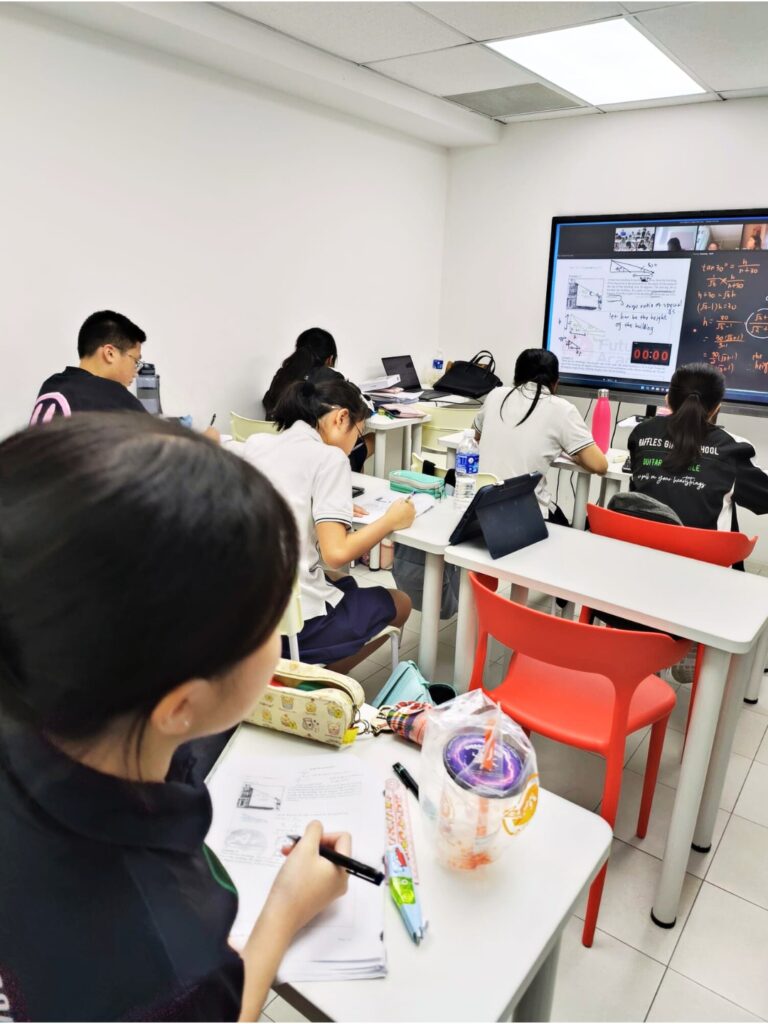
Finding the right RGS tuition means working with a team that understands the pace, depth, and expectations of the RGS IP programme. At Future Academy, we support RGS students with structured lessons, clear notes, and exam-focused practice in small groups (maximum teacher-to-student ratio of 1:6).
Our teaching team is led by Ms Chen (former RGS teacher; 15+ years teaching experience) and Mr Jason Lau (former Hwa Chong Math HOD; 17 years teaching experience at Hwa Chong Institution (HCI)). They lead our curriculum and teacher development. Lessons are delivered by our subject teachers under their guidance, with a consistent approach across the team.
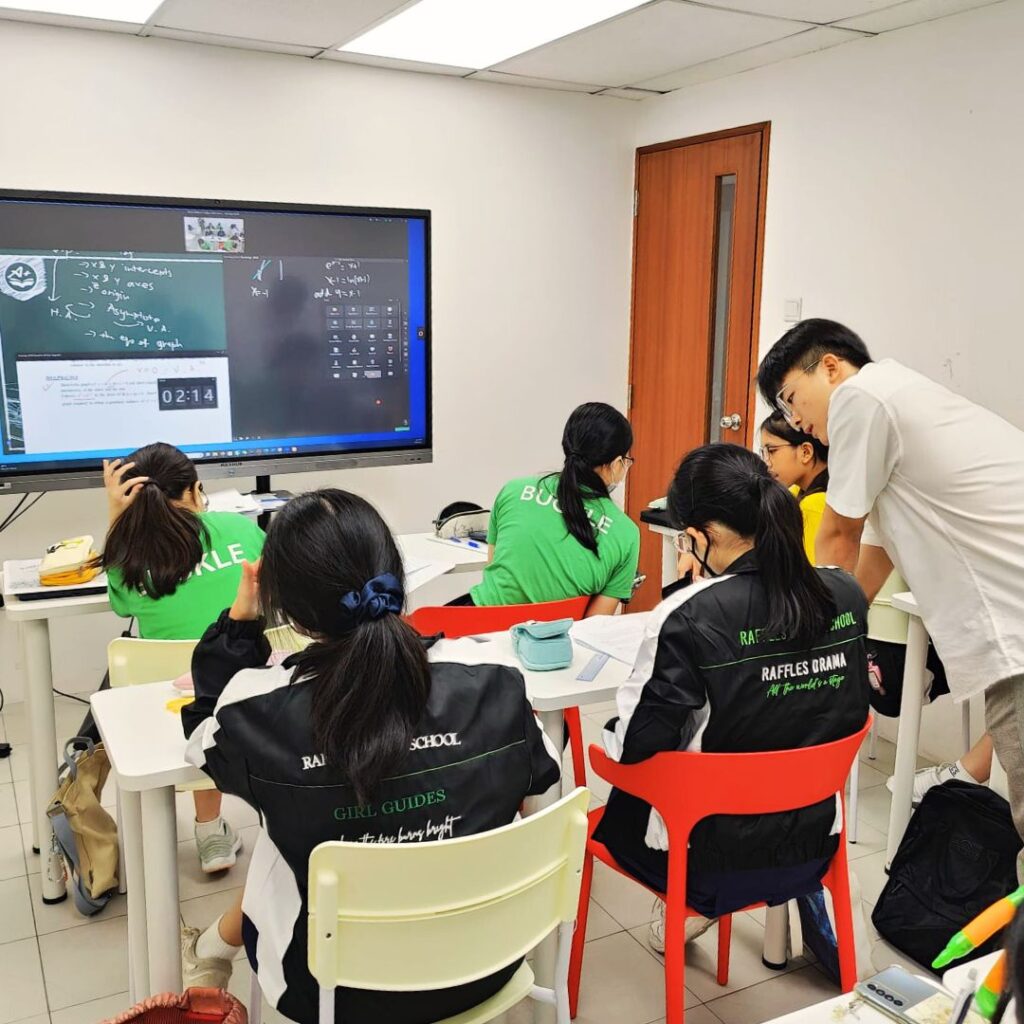
RGS students benefit from our small-group format (maximum teacher-to-student ratio of 1:6), which balances personalised attention with discussion-based learning. Our lessons train students to explain clearly, think critically, and learn independently.
Understanding the Programme
About Raffles Girls’ School (RGS) IP Programme
Raffles Girls’ School (RGS) is known for strong academic expectations and a demanding IP curriculum. Students are expected to learn quickly, explain clearly, and apply concepts across unfamiliar contexts. This makes strong foundations and clear answering strategies especially important from Sec 1 onwards.
The RGS Academic Culture
RGS cultivates academic excellence, clear communication, and strong thinking skills. Students are expected to explain reasoning, participate actively, and approach challenging questions with analytical rigour.
Accelerated & Rigorous
Fast-paced progression with higher application demands, especially in Sec 3–4. We help students organise concepts, bridge the gap between tutorials and tests, and improve answer quality under time pressure.
All-Round Excellence
Students balance rigorous academics across multiple subjects with CCAs, leadership opportunities, and personal development. This requires effective time management and independent learning capabilities.
Teaching team
Our RGS IP Expertise
Our teaching team is led by experienced educators, and we run consistent lesson structures across the team. This helps us anticipate common gaps and coach the skills RGS assessments reward: clear explanations, strong foundations, and confident application.
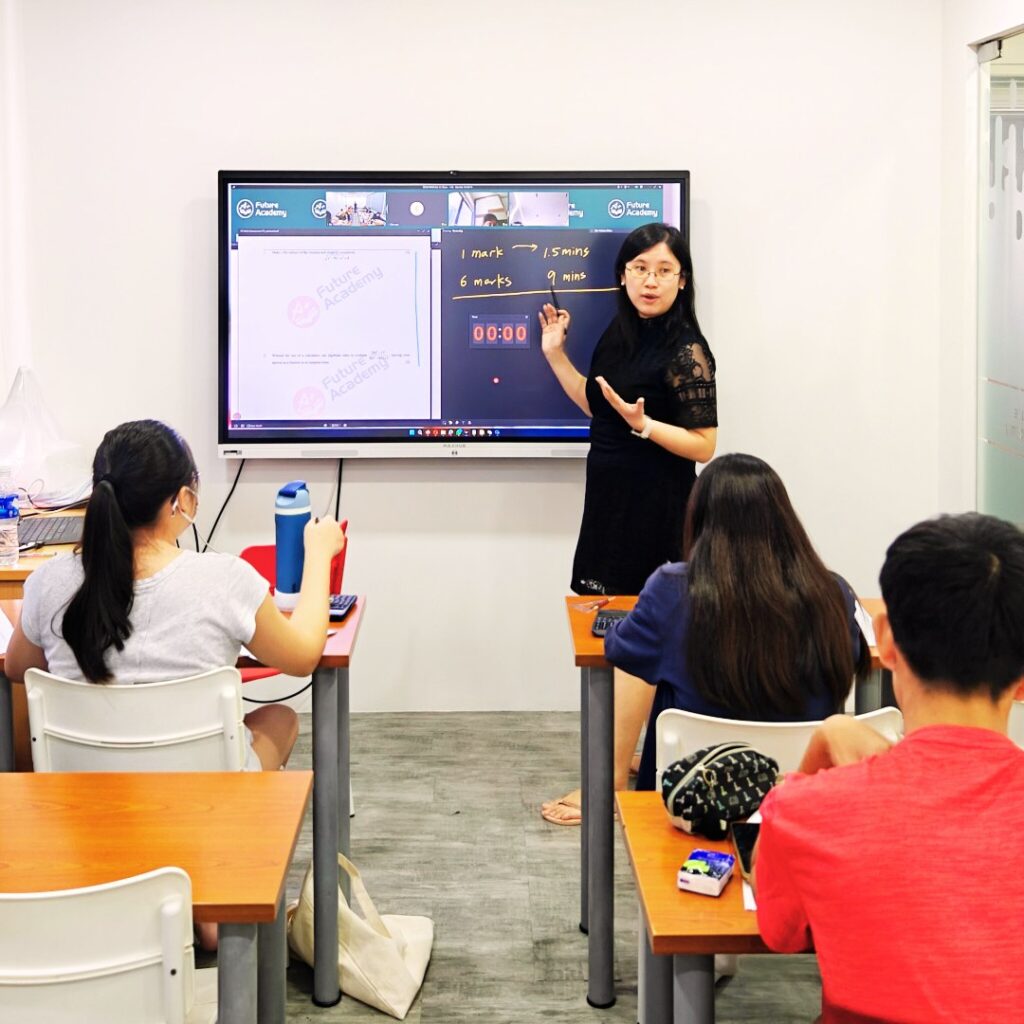
Teaching team lead: Ms Chen (former RGS teacher)
Former RGS Educator | 15+ Years Teaching Experience | Math & Physics
Ms Chen’s experience as a former RGS Mathematics and Physics teacher, together with 15+ years of teaching and tuition experience, helps our team understand the pace and expectations students face in RGS:
Teaching team lead: Mr Jason Lau
Former Hwa Chong Math HOD | 17 Years Teaching Experience at HCI
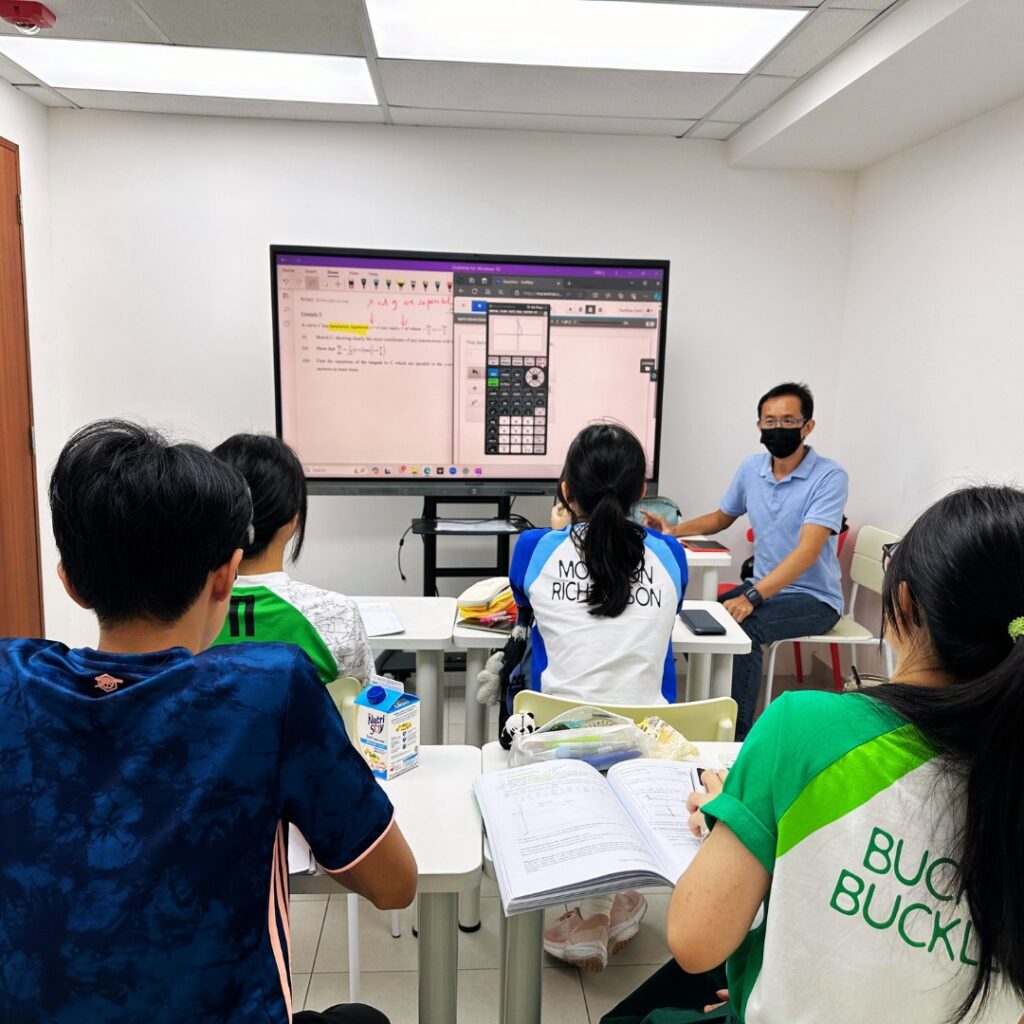
Our IP Mathematics team is led by a former Hwa Chong Math HOD with 17 years of Mathematics teaching experience at HCI, bringing leadership-level expertise that benefits RGS students:
Why RGS Students Need Specialised Support
Even strong PSLE students can find RGS challenging. Generic tuition often misses the pace, depth, and answer quality RGS expects—especially for application questions and higher-order thinking.
Small Group Excellence
How Our Maximum 1:6 Teacher-to-Student Ratio Helps RGS Students
Collaborative learning
Many IP classrooms emphasise discussion, reasoning, and showing steps clearly. Our maximum teacher-to-student ratio of 1:6 supports this while still allowing personalised feedback.
RGS-focused or mixed IP groups
We organise groups by year level and, where possible, by school. When syllabus overlaps, mixed IP groups can also work well and support useful discussions during lessons.
Cost-effective over time
Consistent support from Sec 1–4 into JC, in small groups with a maximum teacher-to-student ratio of 1:6.
Student Success
RGS Student Success Stories
Transformation
Alyssa – From struggling to more confident
Background: Alyssa entered RGS with strong PSLE results but felt overwhelmed by Sec 2. Math moved quickly, and she struggled when questions required clear reasoning and unfamiliar applications. Her grades slipped, and she started to lose confidence.
The Challenge: Alyssa could handle routine practice, but she struggled when tests went beyond standard question types. The gap was not effort—it was structure: how to organise concepts, show reasoning, and handle harder questions under time pressure.
The Solution: Alyssa joined our small group (maximum teacher-to-student ratio of 1:6). Our teaching team identified foundational gaps and rebuilt understanding with structured methods. We taught clear explanation frameworks, problem-solving strategies, and how to present working effectively.
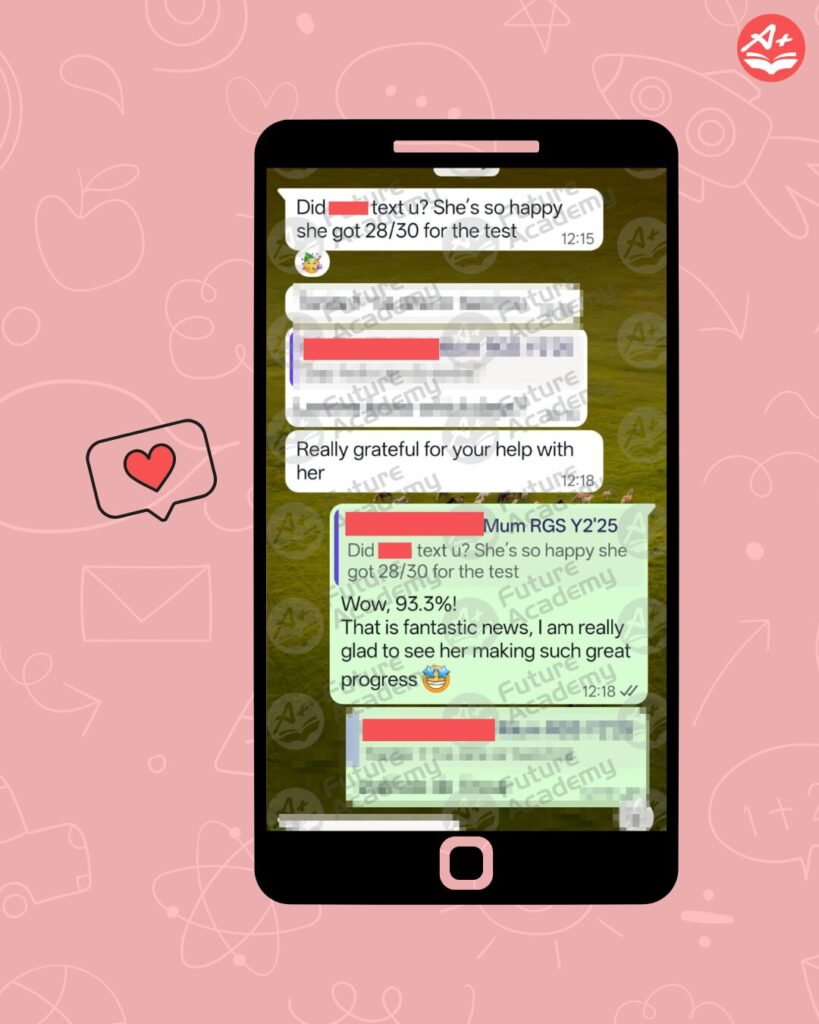
The Results: Alyssa became more consistent in RGS assessments and more confident tackling application questions. She learnt how to study more efficiently and avoid common mistakes, which helped her approach tests with less stress.
“The team understood what RGS expects and helped Alyssa build stronger foundations and answering skills. Her progress was clear over the term.”
— Alyssa’s Parent
Mathematical Excellence
Mei Lin – Stretching a strong student
Background: Mei Lin performed well at RGS and wanted more challenge in problem-solving and non-routine questions.
The Challenge: Mei Lin needed structured enrichment that built deeper understanding and stronger thinking habits, not just more worksheets.
The Solution: With our teaching team, Mei Lin worked on higher-difficulty questions, learnt multiple solution approaches, and developed clearer mathematical communication.
The Results: Mei Lin became more consistent on harder questions and gained confidence in explaining her reasoning clearly.
“The team pushed Mei Lin to think deeply about mathematics and develop her potential fully.”
— Mei Lin’s Parent
Proven Track Record
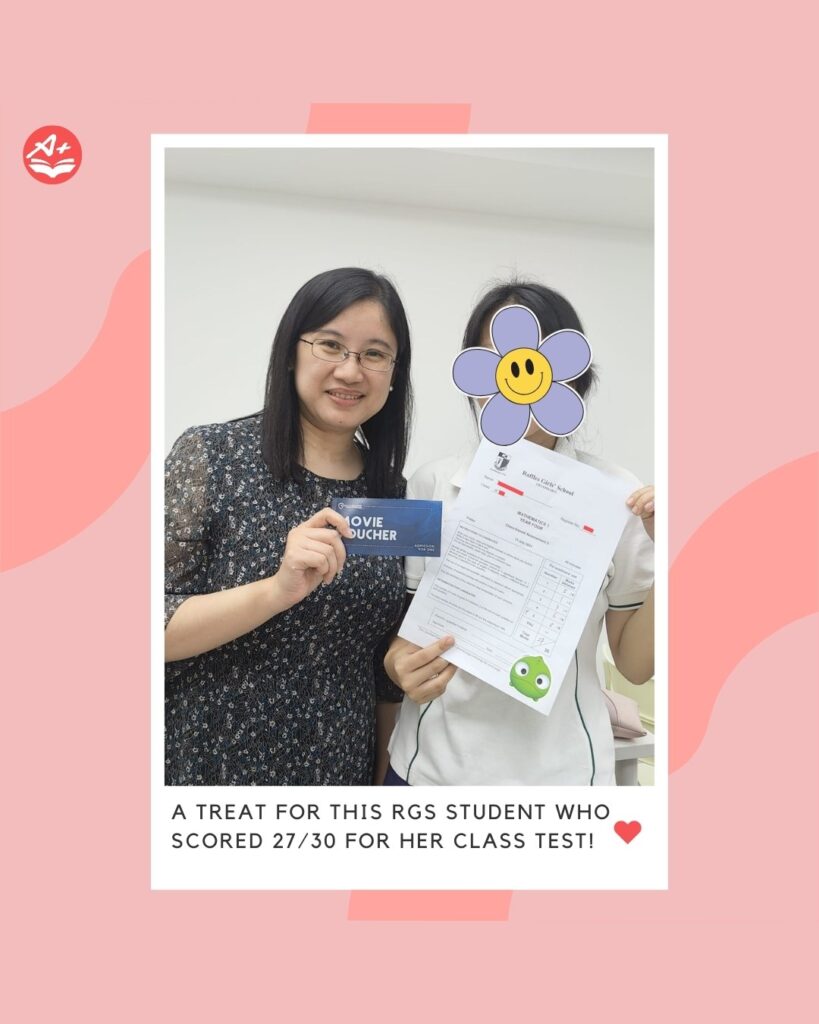
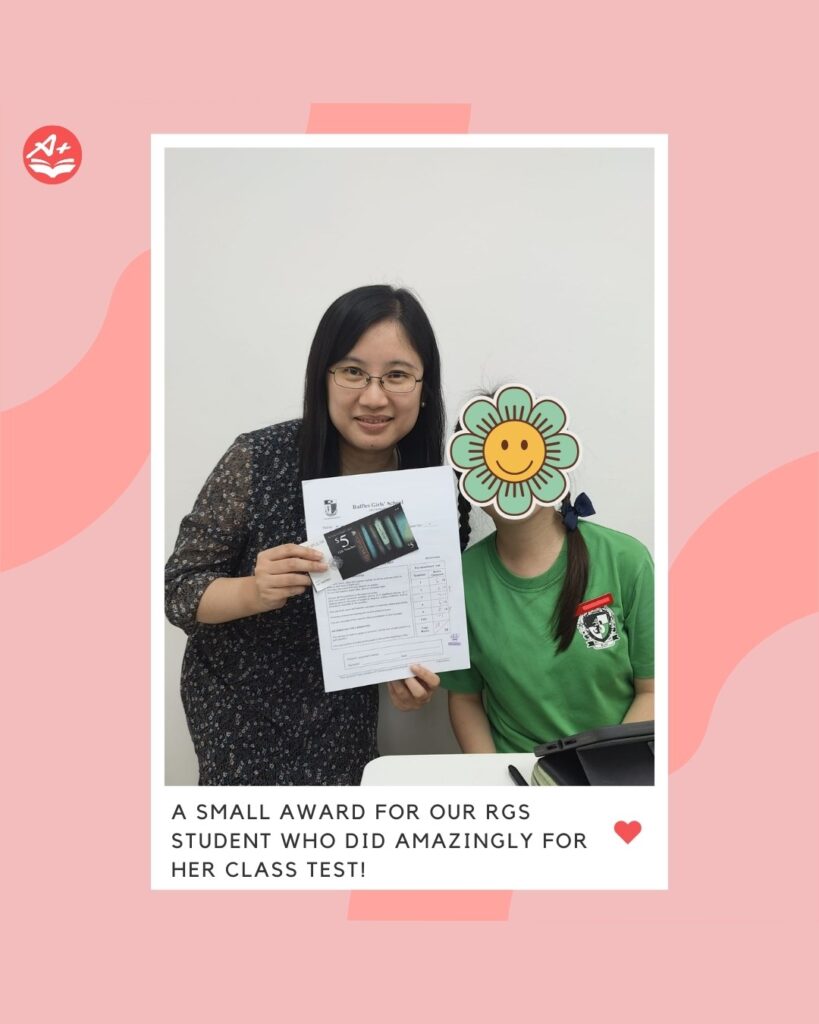
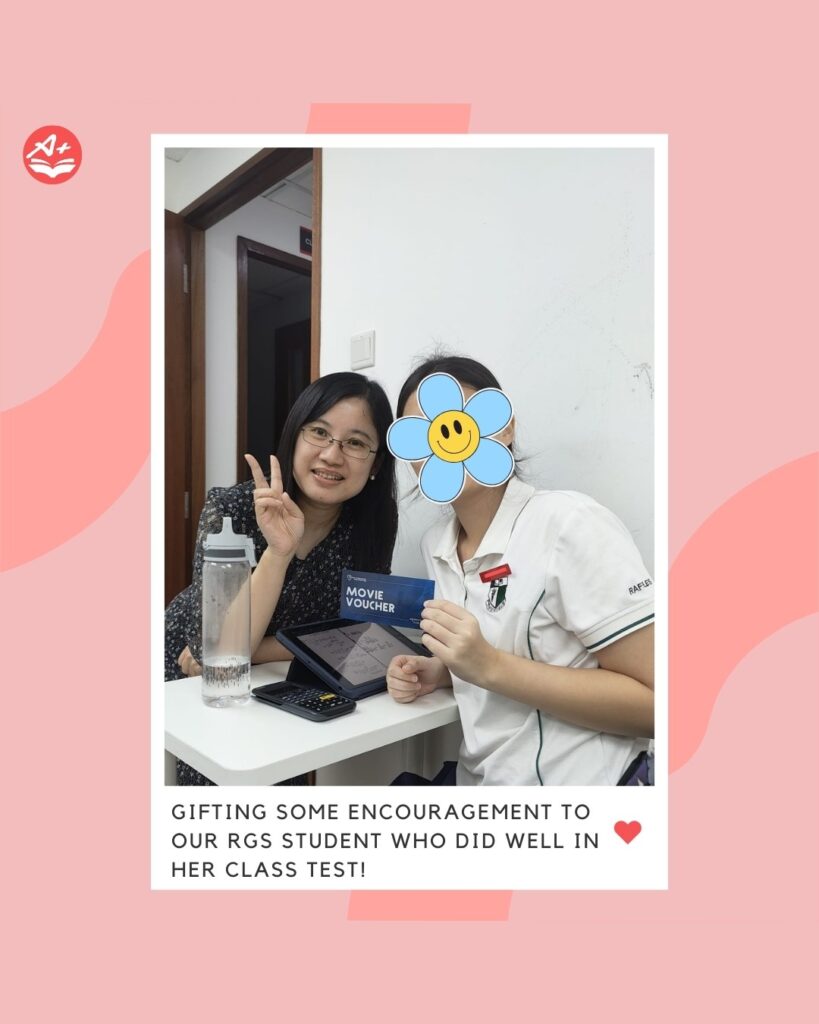
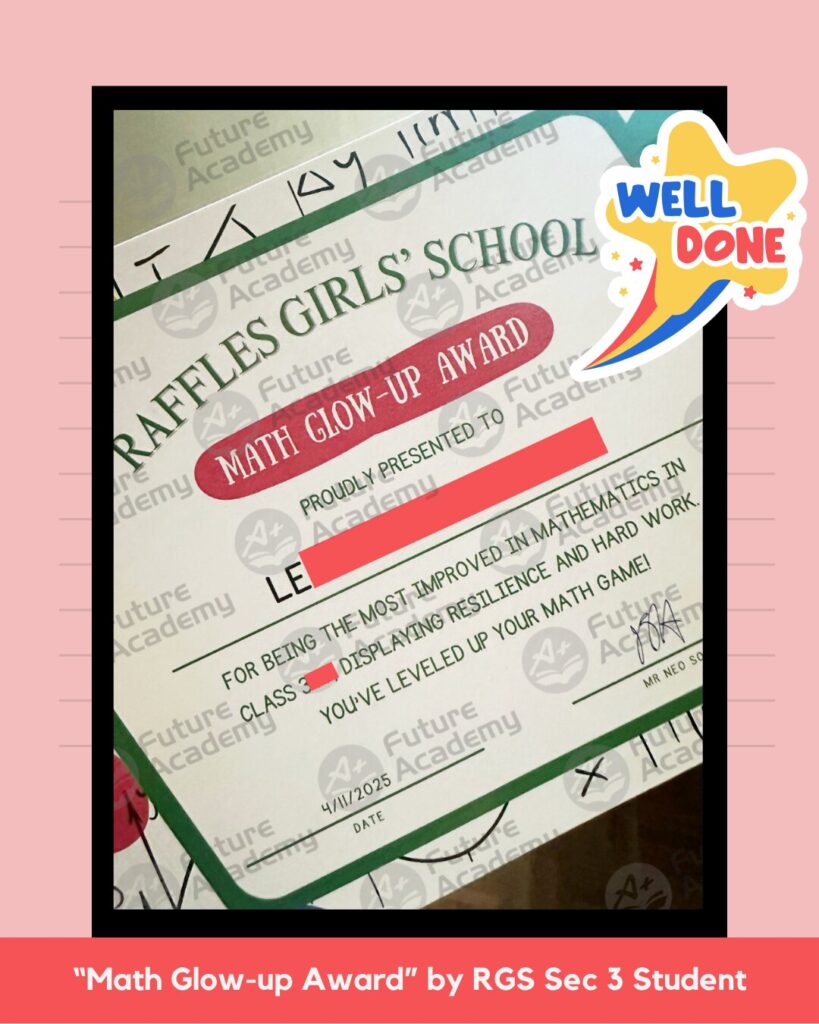
Student work examples from IP students
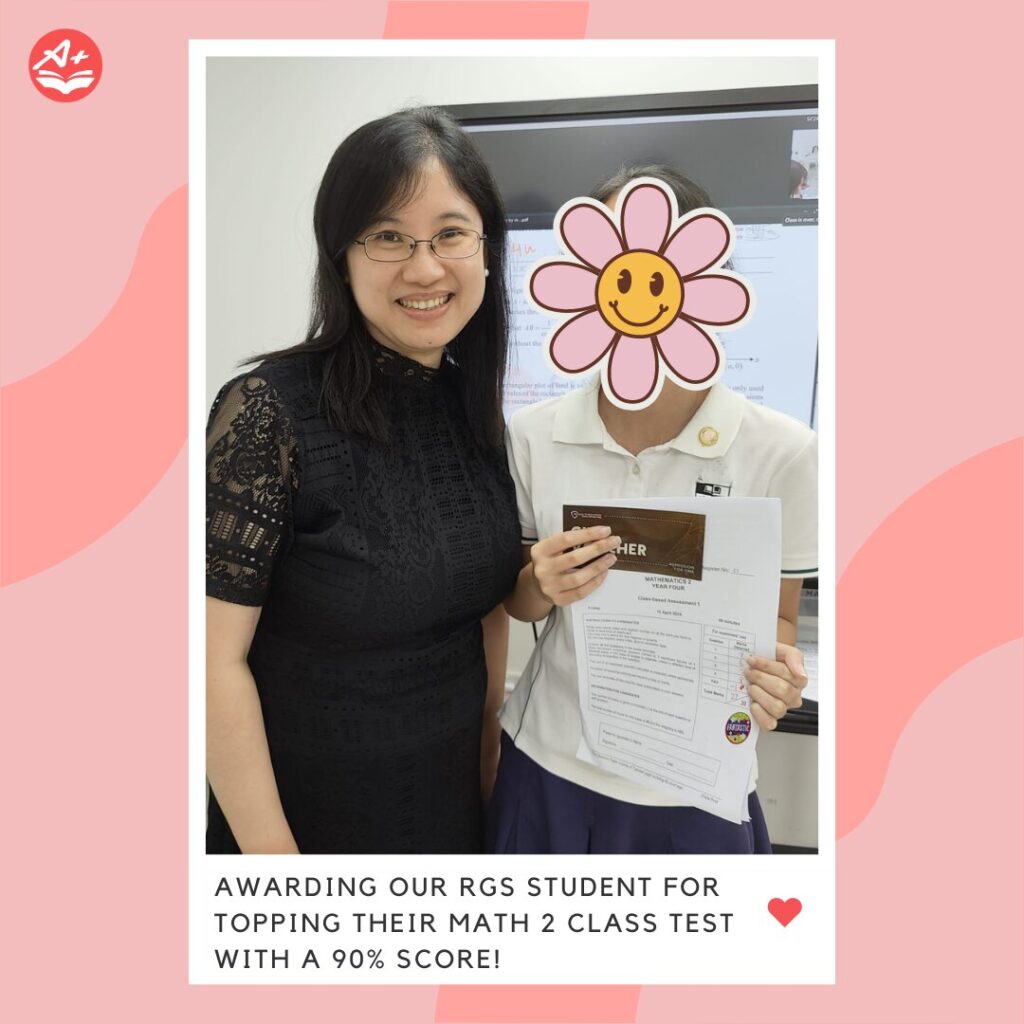
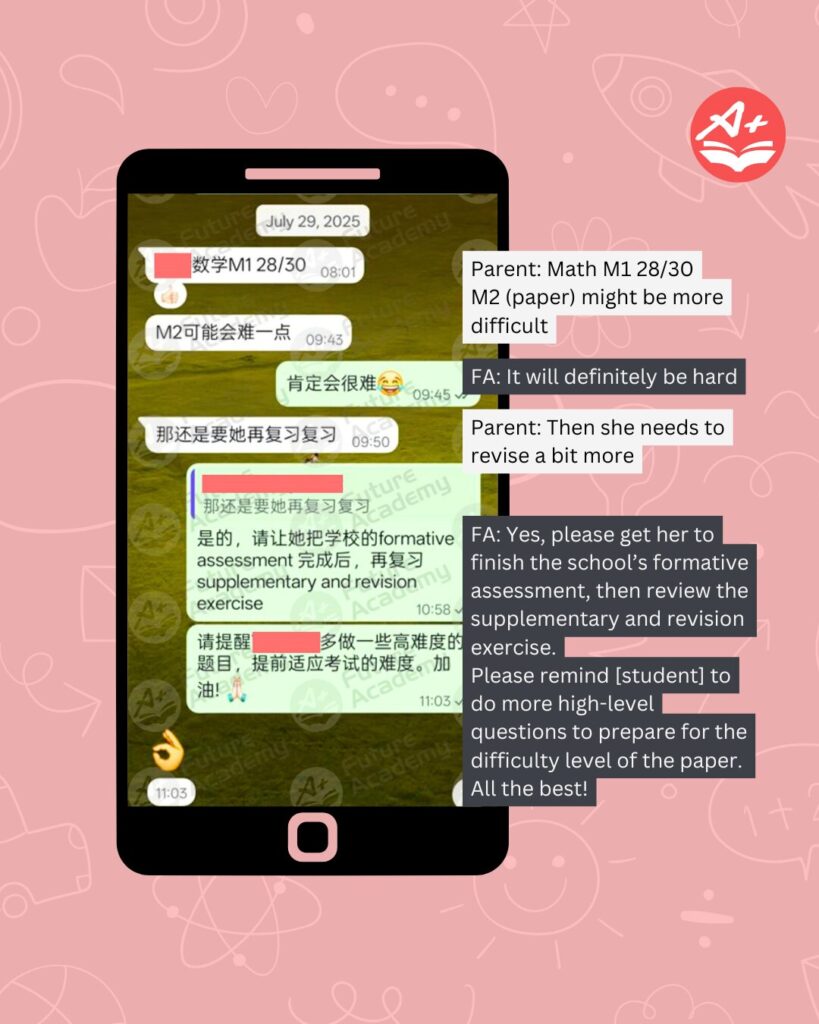
Here are examples of student work and school assessments from IP students (names covered for privacy). They illustrate the level of reasoning, clarity, and accuracy we train during lessons.
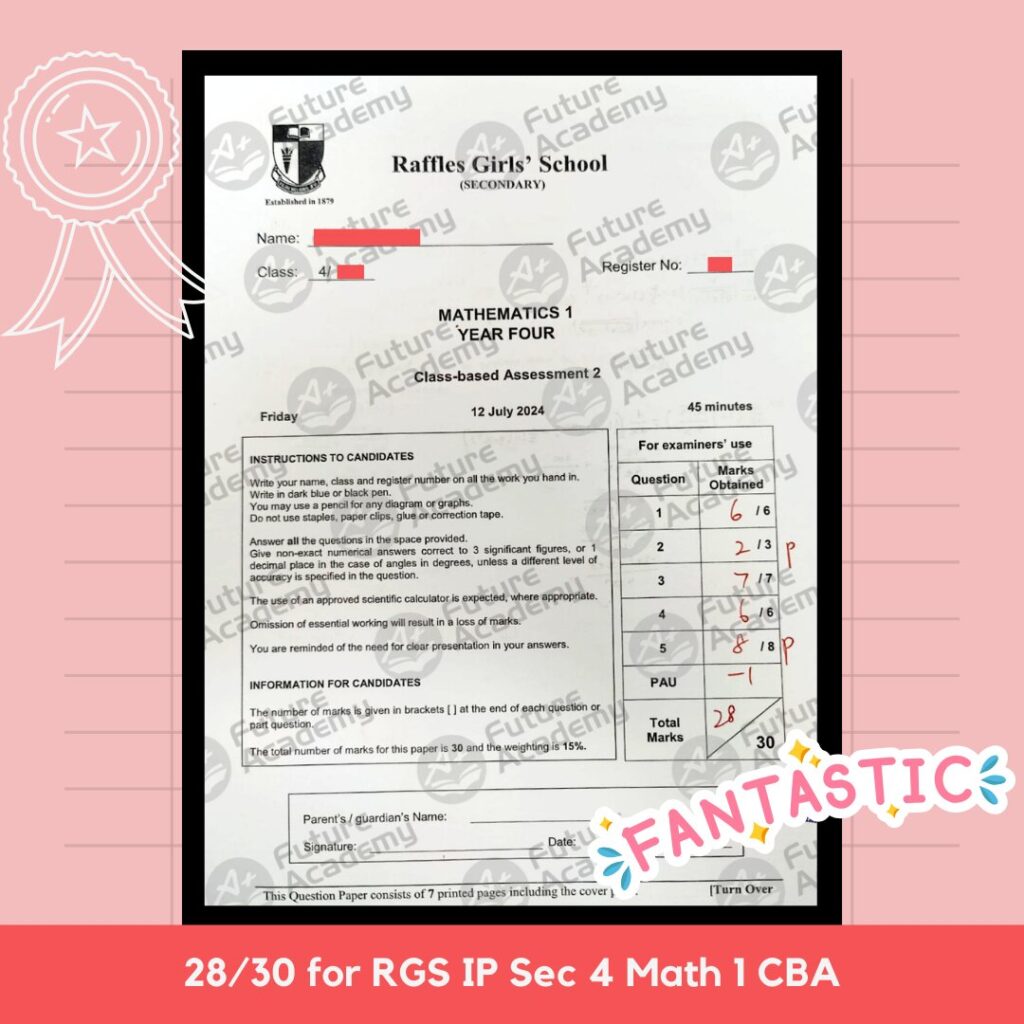
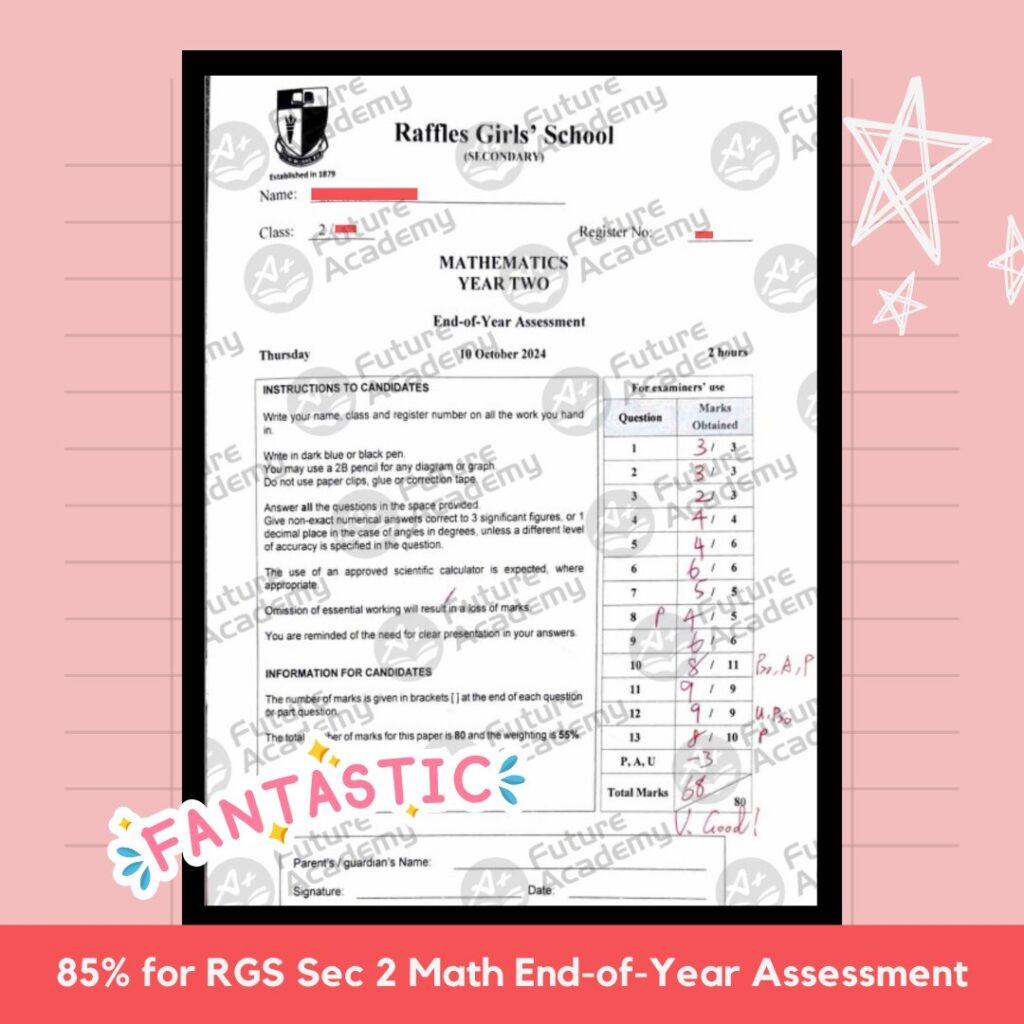
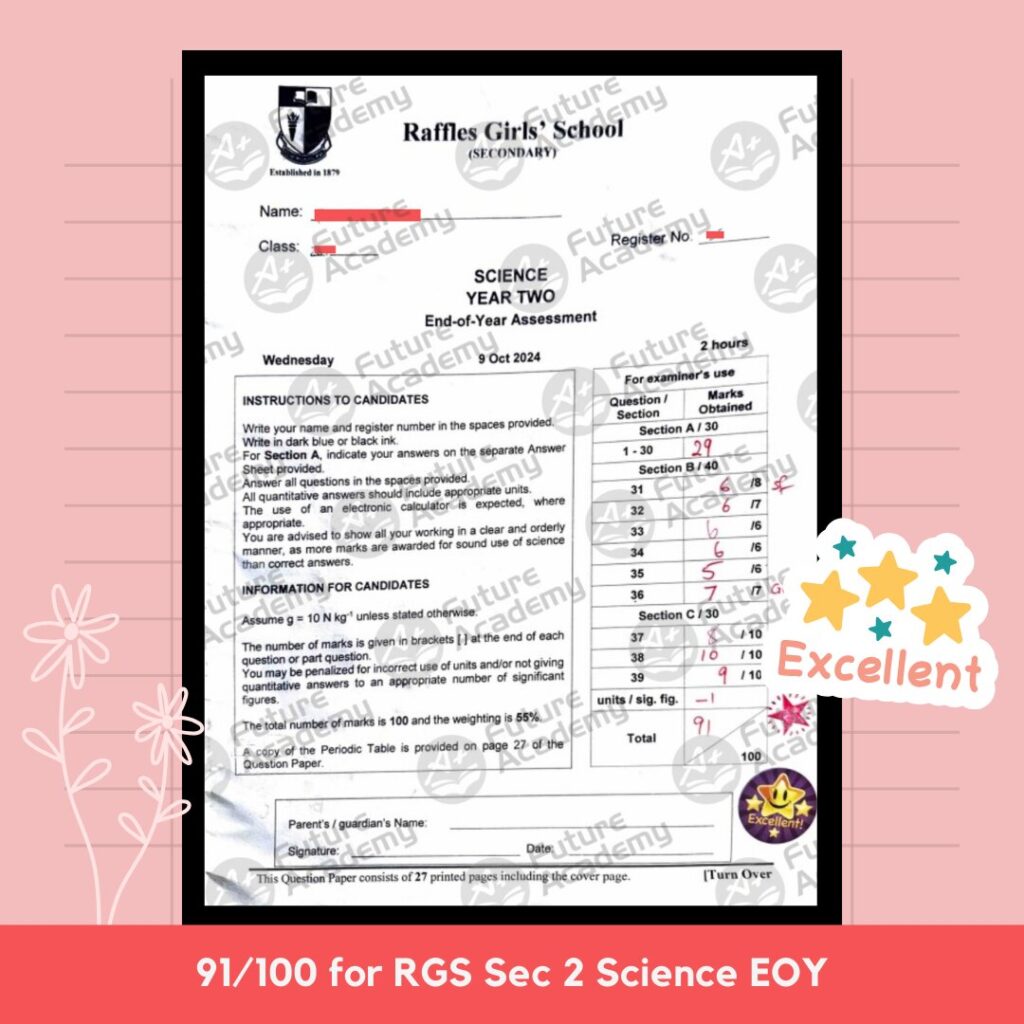
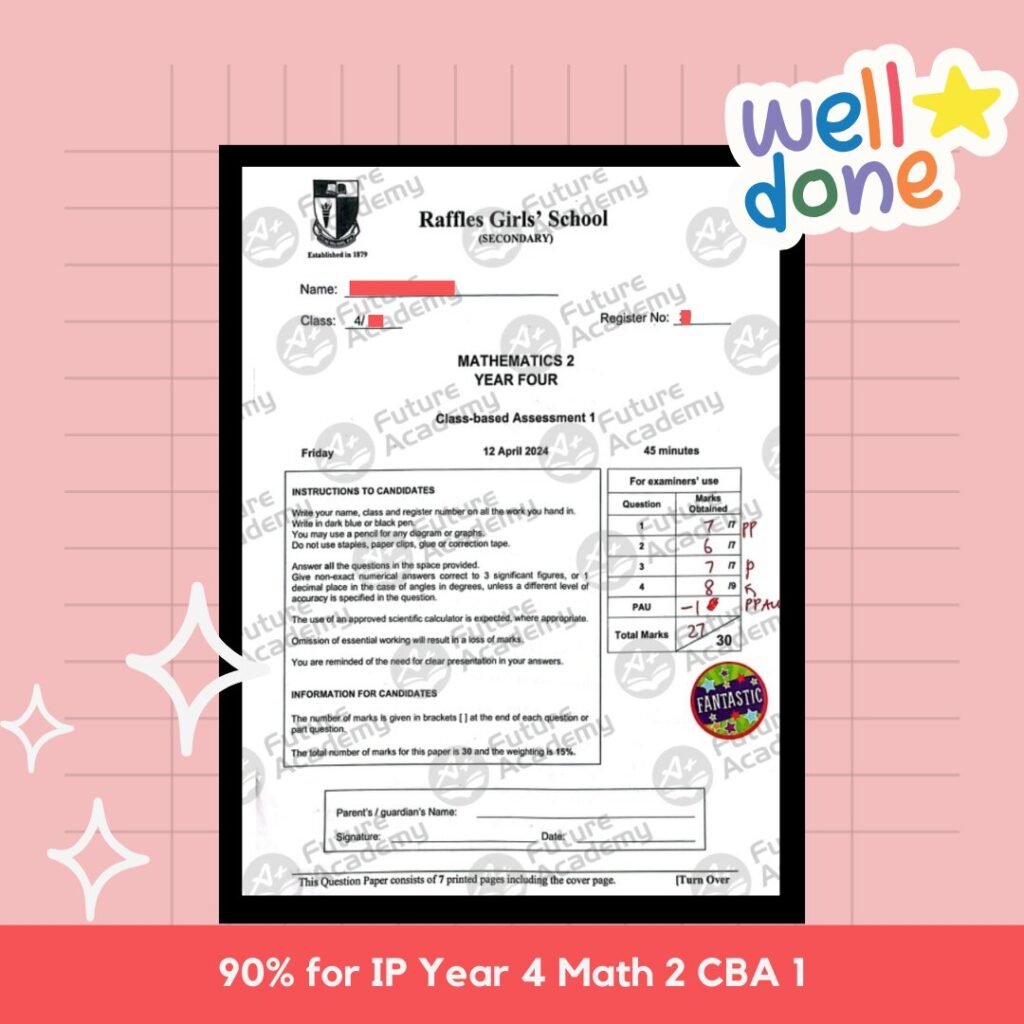
The examples above represent IP students across different year levels and subjects. What they share is the focus on clear reasoning, strong foundations, and the ability to handle unfamiliar questions under time pressure.
Our Programmes
Subjects We Teach for RGS IP Students
Learn Your Way
Flexible Learning Modes for RGS Families
Bugis Centre
175A Bencoolen Street #06-05
Burlington Square
Convenient for RGS families
Bukit Timah Centre
170 Upper Bukit Timah Road #10-02
Alternative location
Established tuition district
Braddell Centre
381 Lorong 1 Toa Payoh #01-12
Near RGS (Braddell campus)
Convenient for RGS students
Online via ClassIn
Full online learning option
Interactive features
Hybrid flexibility available
FAQ
FAQs for RGS Parents
Book RGS IP lessons
Lessons available | Maximum teacher-to-student ratio of 1:6
✓ Maximum teacher-to-student ratio of 1:6 ✓ Structured lessons, practice and feedback ✓ On-site and online lessons