
H1 General Paper

General Paper Tuition Singapore

Master General Paper with elite school partner educators. Develop critical thinking, essay writing excellence, comprehension mastery & analytical skills. Small groups of 6 students maximum.

Partner Educator Excellence

Master General Paper with Elite School Teaching Standards

H1 General Paper represents one of A Level’s most distinctive and universally required subjects—testing not just content knowledge but critical thinking, argumentation skills, current affairs awareness, comprehension ability, and sophisticated writing across diverse domains from politics and economics to science and philosophy. As the only compulsory H1 subject, GP’s importance extends beyond rank points: it develops intellectual breadth, analytical thinking, and communication skills that university education and professional life demand.

At Future Academy, our General Paper tuition maintains the same rigorous standards we’re known for across all subjects. While GP is taught by carefully selected partner educators rather than our core team, these specialists bring equivalent elite school credentials—former MOE teachers from top JCs including Hwa Chong, RI, VJC, NJC, and similar institutions, each with extensive GP teaching experience and proven track records developing students’ critical thinking and writing excellence.

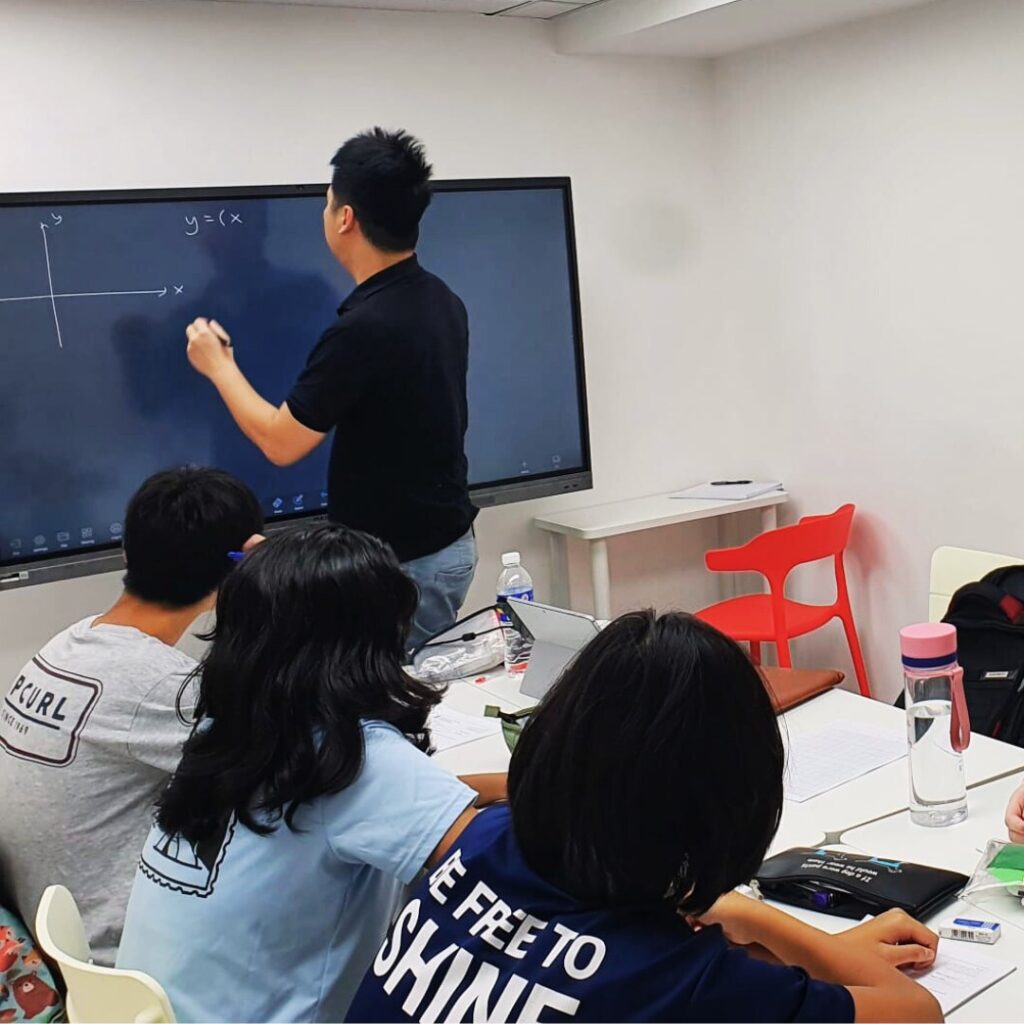
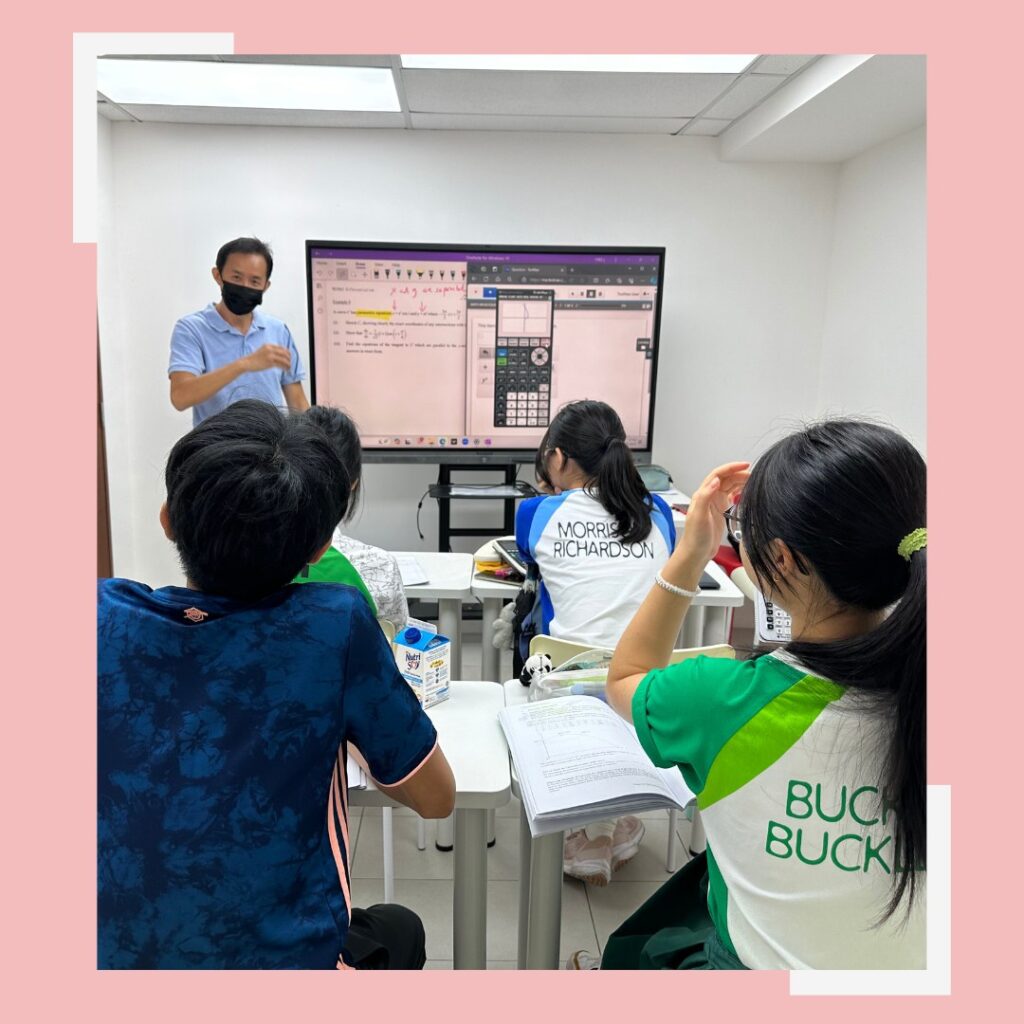
Our GP programme follows the same proven teaching philosophy that distinguishes Future Academy: building genuine understanding and skills over formulaic techniques, developing authentic critical thinking rather than memorized examples, and preparing students not just for A Level examinations but for university-level intellectual work and lifelong analytical thinking. The same 1:6 small group format proves particularly effective for GP, where discussion, debate, and peer critique develop thinking and argumentation far more effectively than passive learning.

The Challenge

What Makes General Paper Distinctive

H1 General Paper differs fundamentally from all other A Level subjects. Rather than testing depth in specific content domains, GP assesses breadth of knowledge, critical thinking sophistication, argumentation quality, and communication excellence across the entire spectrum of human knowledge and contemporary issues.

  • Intellectual Breadth: Spanning politics, economics, science, technology, culture, ethics
  • Critical Thinking: Analyzing issues from multiple perspectives, not just recalling content
  • Current Affairs: Continuous engagement with global and regional developments
  • Writing Excellence: Clear, sophisticated expression of complex ideas
Examination Format

The GP Examination Structure

GP examinations assess students through two papers testing different but complementary skills. Paper 1 evaluates essay writing, critical thinking, and argumentation quality. Paper 2 tests comprehension, inference, and application abilities through passage analysis and the Application Question.

Paper 1: Essay (60 marks, 1.5 hours)
Students choose ONE question from 12 diverse topics, writing a comprehensive essay demonstrating understanding, clear thesis, multiple perspectives, relevant examples, critical analysis, sophisticated thinking, and excellent writing quality.

Paper 2: Comprehension & Application Question (40 marks, 1.5 hours)
Students read a passage and answer 3-4 comprehension questions testing understanding and inference (22-24 marks), plus 1 Application Question requiring personal response and real-world application (16-18 marks).
Our Methodology

Developing Authentic Critical Thinking

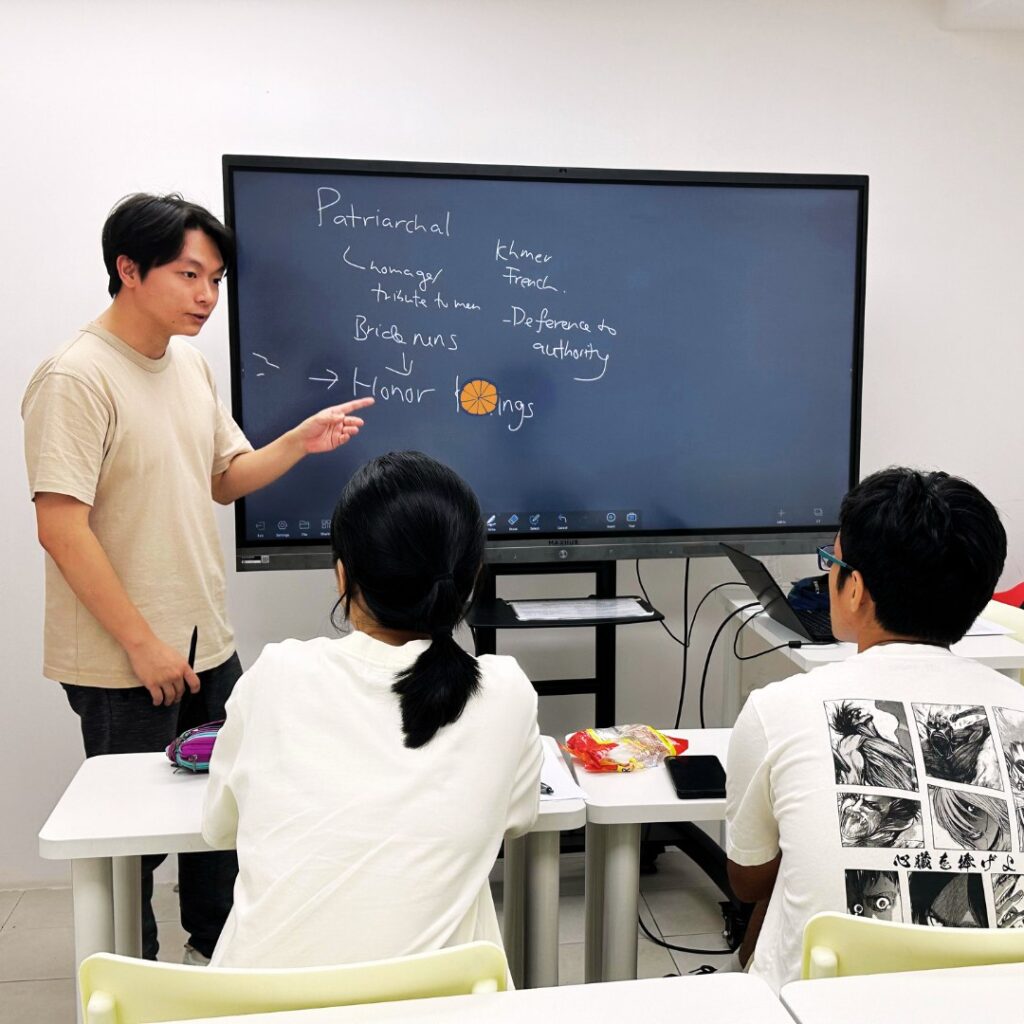
Many GP tuition centres teach rigid essay structures and memorized examples. This produces mechanical essays lacking genuine thinking. Our approach develops authentic intellectual engagement: analyzing issues deeply, engaging with ideas meaningfully, and building argumentative sophistication progressively.

  • Genuine critical thinking over formulaic techniques
  • Systematic current affairs development
  • Essay writing excellence through feedback
  • Comprehension and Application Question mastery
1:6 Format

The 1:6 Small Group Advantage for General Paper

GP thrives in small group discussion format. With 6 students, everyone actively participates in analyzing essay questions from multiple angles, debating controversial issues, evaluating arguments’ strengths and weaknesses, and developing positions through collaborative thinking. This active intellectual engagement develops authentic critical thinking impossible in large classes or passive learning.

  • Issue analysis and debate with active participation
  • Peer learning from diverse perspectives
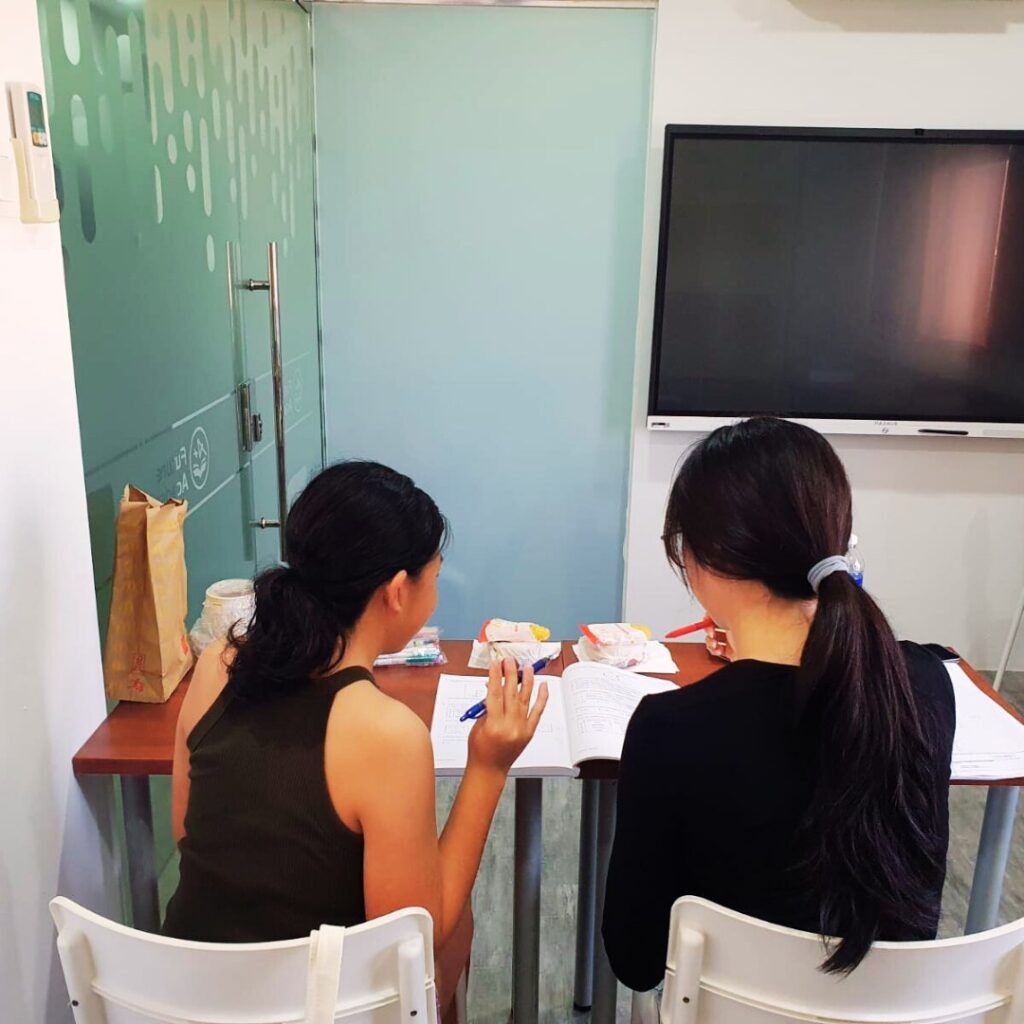
  • Personalized writing development with detailed feedback
  • Collaborative learning community
Questions & Answers

Frequently Asked Questions About GP Tuition

General Paper at Future Academy is taught by carefully selected partner educators rather than our core team members. These specialists are former MOE teachers from elite JCs including Hwa Chong, RI, VJC, NJC, and equivalent institutions, each with extensive GP teaching experience and proven success developing students’ critical thinking, writing excellence, and A Level achievement. These educators maintain identical teaching standards and follow the same authentic learning philosophy distinguishing Future Academy.

We maintain rigorous standards through careful selection of educators with elite JC backgrounds and proven track records, alignment on teaching philosophy emphasizing authentic thinking over formulaic techniques, regular monitoring of student progress and feedback, consistent curriculum materials and assessment standards, and integration with broader academic support system.

Yes, exactly the same. GP particularly benefits from small groups where discussion, debate, and peer learning develop thinking more effectively than passive learning. Maximum 6 students ensures everyone actively participates while receiving personalized feedback.

Ideally at JC1 start for progressive development of thinking, writing, and current affairs knowledge. However, students starting mid-JC1 or even JC2 can still improve significantly. Earlier start provides more time for skill development, but focused teaching helps even later starters.

Typically 2-3 hours weekly: regular current affairs reading (newspapers, magazines, online sources), essay writing (usually 1 essay every 1-2 weeks), comprehension practice, vocabulary and writing exercises, and revision of feedback and model answers. GP requires consistent engagement rather than intensive cramming before examinations.

Yes, with systematic teaching and consistent effort. GP assesses thinking and argumentation alongside expression—students can improve both progressively through proper instruction and practice. Many students with moderate English significantly improve GP performance through structured approach.

Yes, very effective. GP’s discussion-based nature translates well to online format. ClassIn platform enables collaborative analysis, debate, and peer learning similar to in-person classes, while eliminating travel time.

Start Your General Paper Success Journey Today

Elite JC Partner Educators | 1:6 Small Groups | Critical Thinking Excellence

✓ Elite JC partner educators   ✓ Small groups of 6 students maximum   ✓ Essay writing & critical thinking excellence