
PSLE Science Tuition Singapore
Expert Primary 6 Science Preparation | Building Scientific Thinkers
Master 5 Themes & Experimental Questions | 1:6 Small Groups | AL1 & AL2 Excellence
PSLE Science Specialists
Building Scientific Thinkers for PSLE Science Excellence
The PSLE Science examination challenges students to demonstrate not just factual knowledge but genuine scientific understanding, application skills, and analytical thinking. Success requires mastering diverse topics across five major themes—Diversity, Cycles, Systems, Energy, and Interactions—while developing the ability to apply concepts to unfamiliar scenarios and analyze experimental questions confidently.
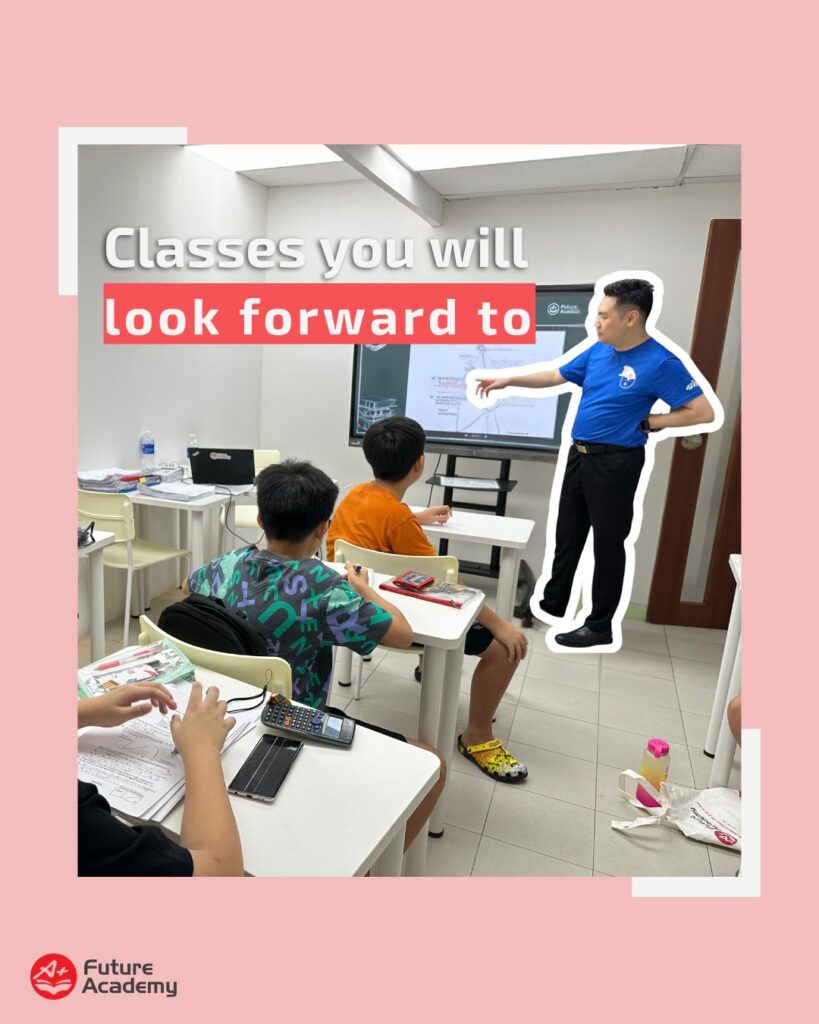
At Future Academy, our PSLE Science tuition programme addresses these challenges through small group classes capped at just 6 students. This optimal class size allows our experienced tutors to provide personalized attention while fostering collaborative learning. We focus on building deep conceptual understanding rather than rote memorization, teaching students not just what scientific phenomena occur, but why they happen and how to think scientifically about new situations.
Our methodology combines concept mastery with systematic development of scientific thinking skills—particularly experimental reasoning, the most challenging aspect of PSLE Science. Through regular practice with varied question types and immediate feedback in our small groups, students develop both the knowledge and analytical abilities needed to excel, whether targeting AL1, AL2, or simply building stronger scientific foundations.
The PSLE Science Examination
Understanding the PSLE Science Challenge
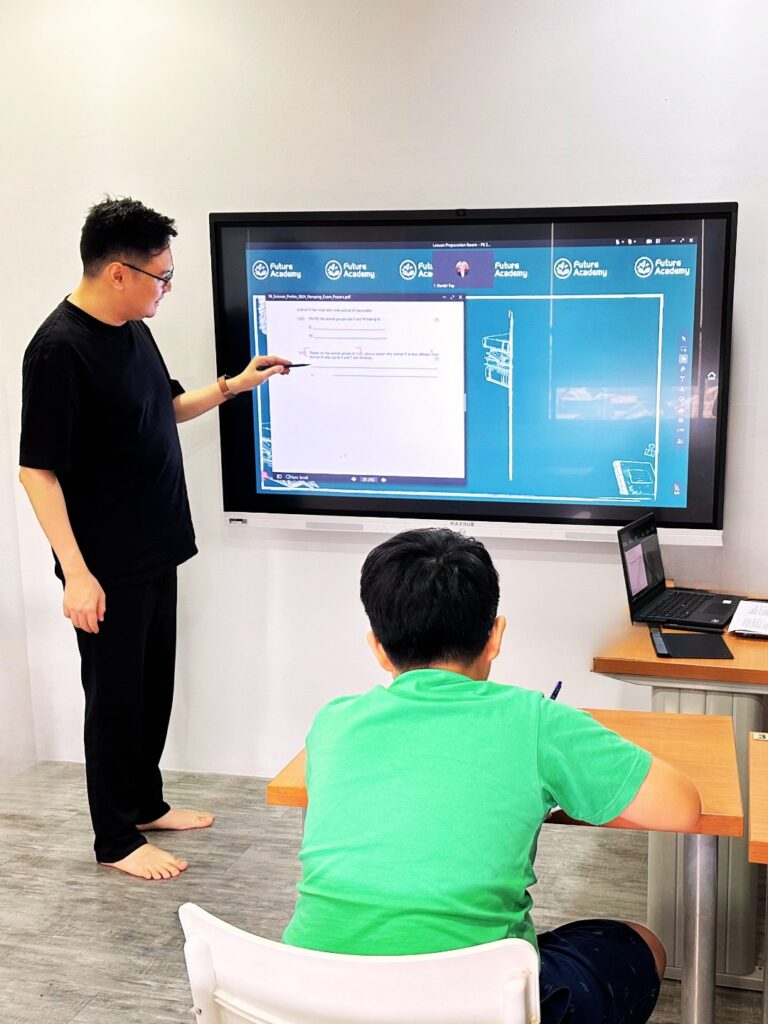
The PSLE Science examination emphasizes application and analysis over mere memorization. Success requires understanding concepts deeply enough to apply them to unfamiliar scenarios and analyze experimental questions systematically.
Five Major Themes
Diversity, Cycles, Systems, Energy, and Interactions—comprehensive coverage spanning living things, physical processes, energy concepts, and scientific relationships across all topics.
Experimental Reasoning
Students must analyze experimental setups, identify variables and controls, draw valid conclusions from data, and explain scientific reasoning clearly—requiring genuine understanding.
High-Stakes Scoring
Achievement Levels (AL1-AL8) mean every mark matters. Strong Science performance significantly impacts overall PSLE results and secondary school placement opportunities.
Our Teaching Methodology
Our PSLE Science Teaching Approach


Building Conceptual Understanding
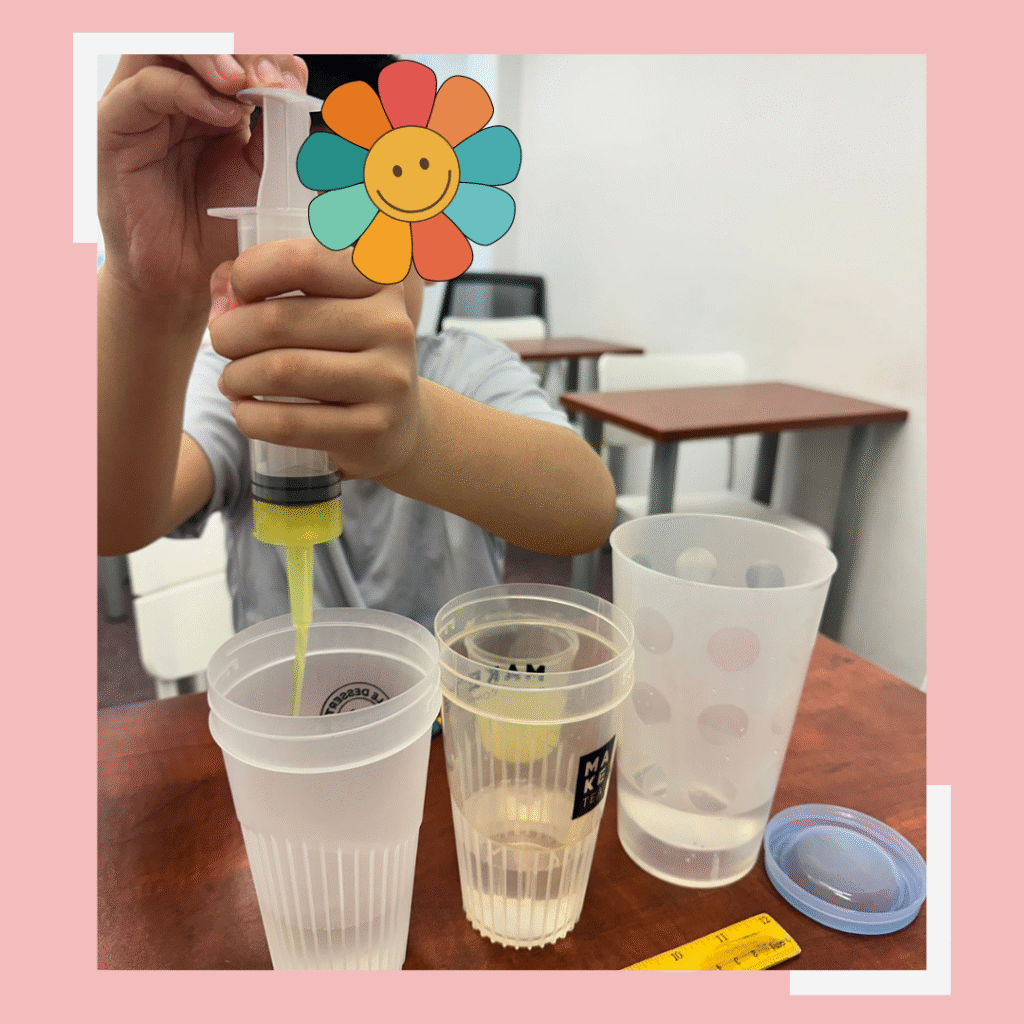
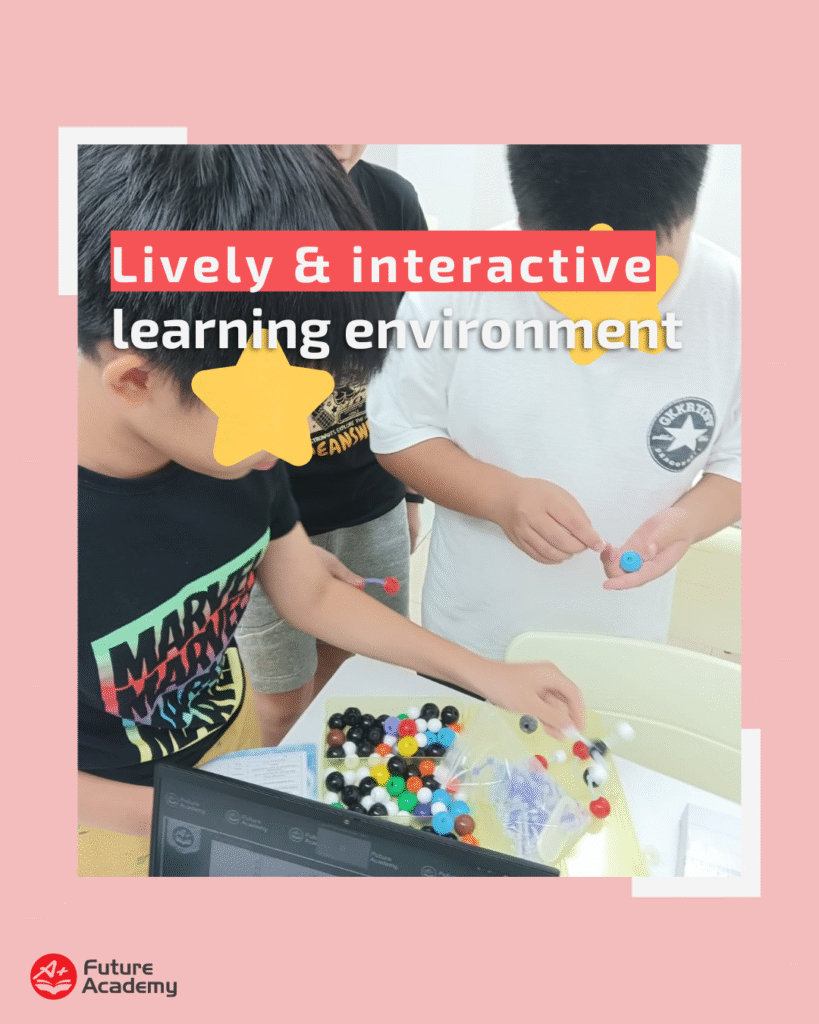
We prioritise deep conceptual understanding over rote memorisation. When teaching topics like the Human Circulatory System, we do not just list components—we explore how the system works as an integrated whole, why blood must flow in specific directions, and how this system interacts with respiratory and digestive systems. This interconnected understanding helps students tackle application questions with clearer reasoning.
Developing Scientific Thinking
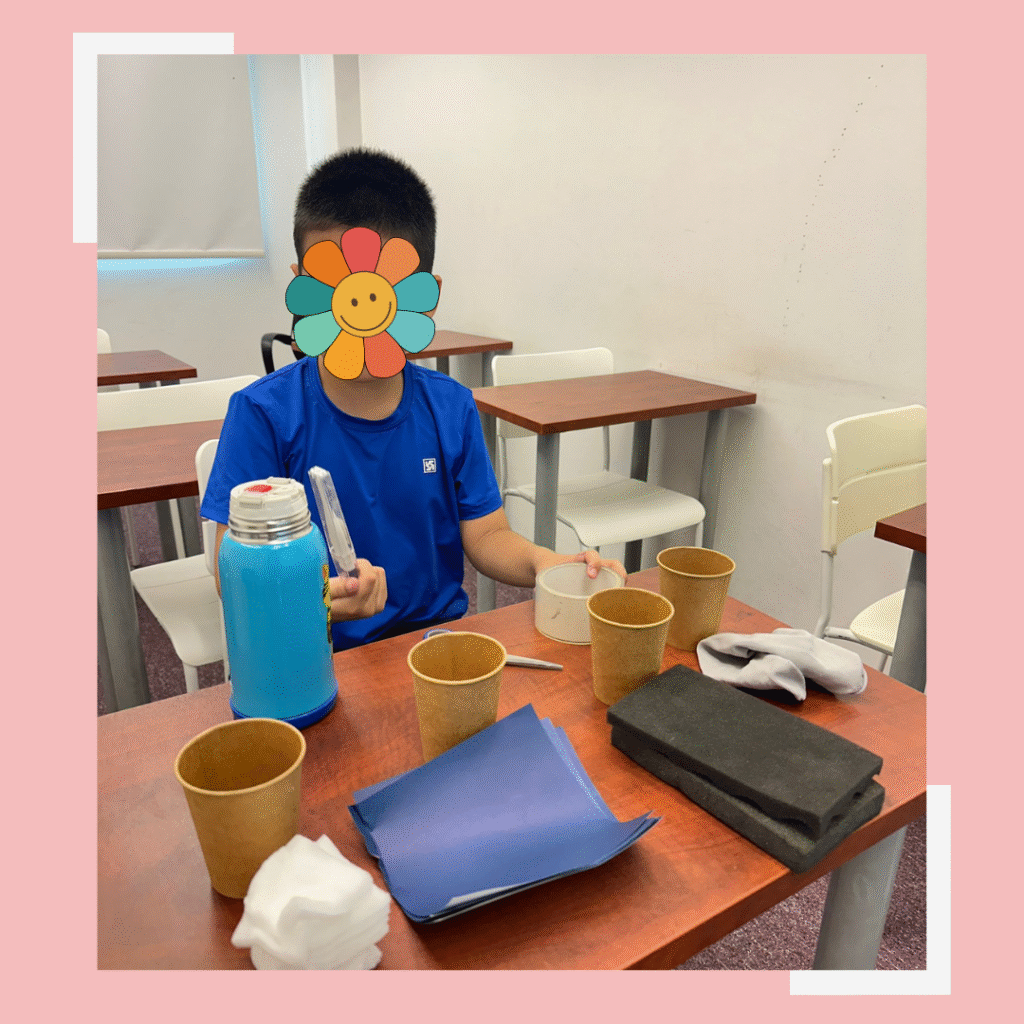
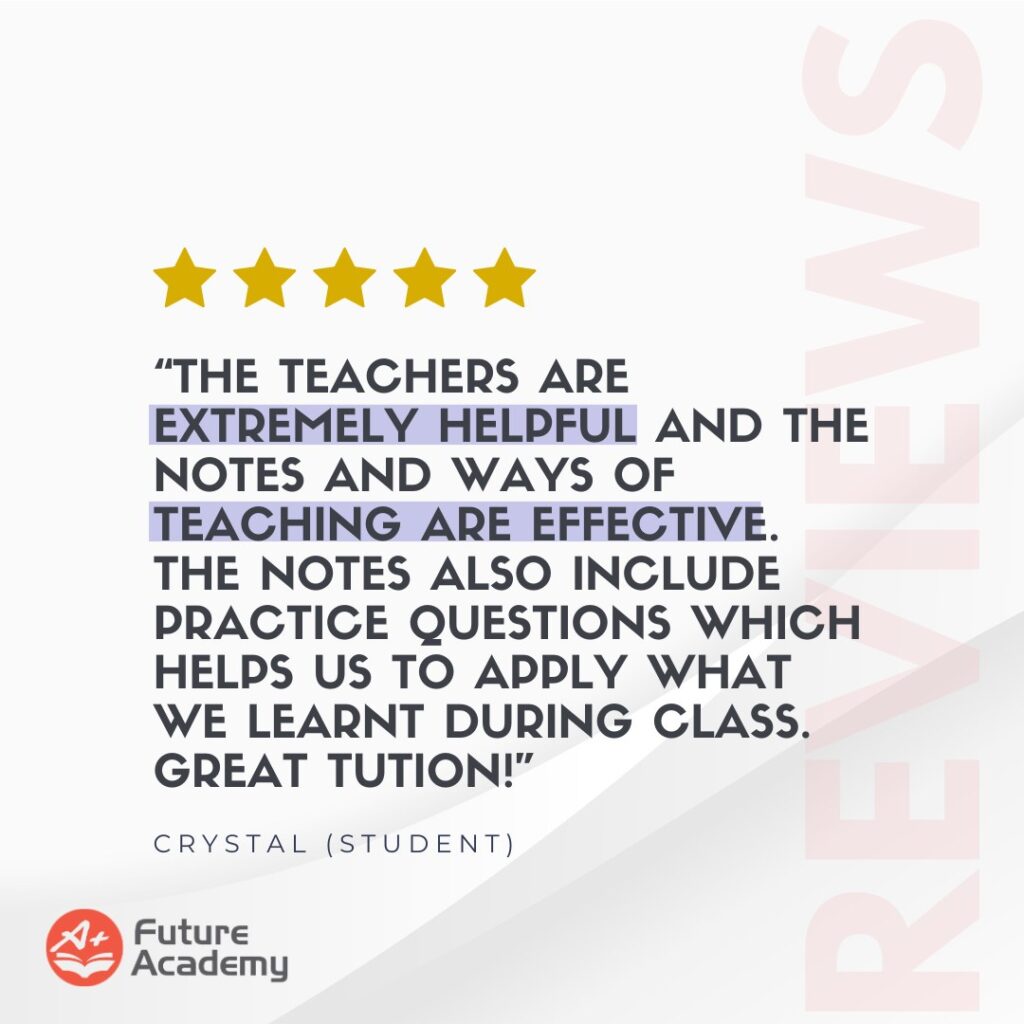
We develop scientific thinking skills that apply across all topics: observation, analysis, critical reasoning, and experimental understanding. Students learn to analyze cause-and-effect relationships, understand controlled experiments, identify variables, evaluate fair testing, and draw valid conclusions from data. These analytical abilities distinguish strong PSLE performers from those who simply memorize facts.
Mastering Examination Techniques
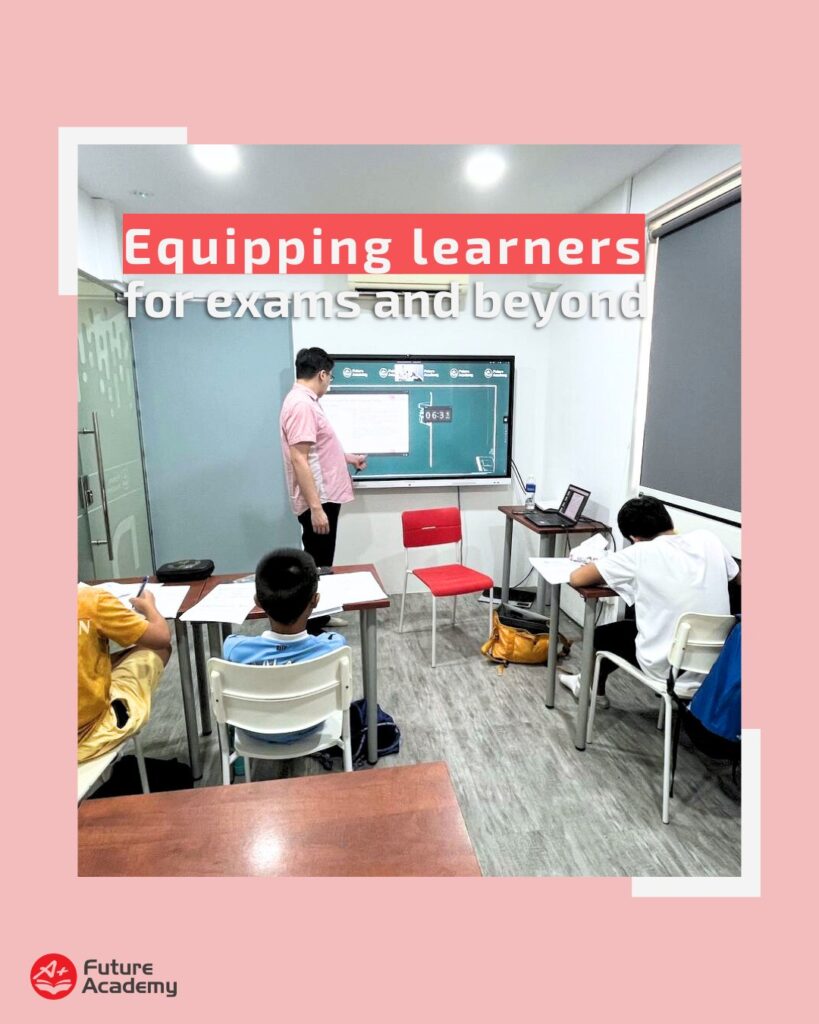
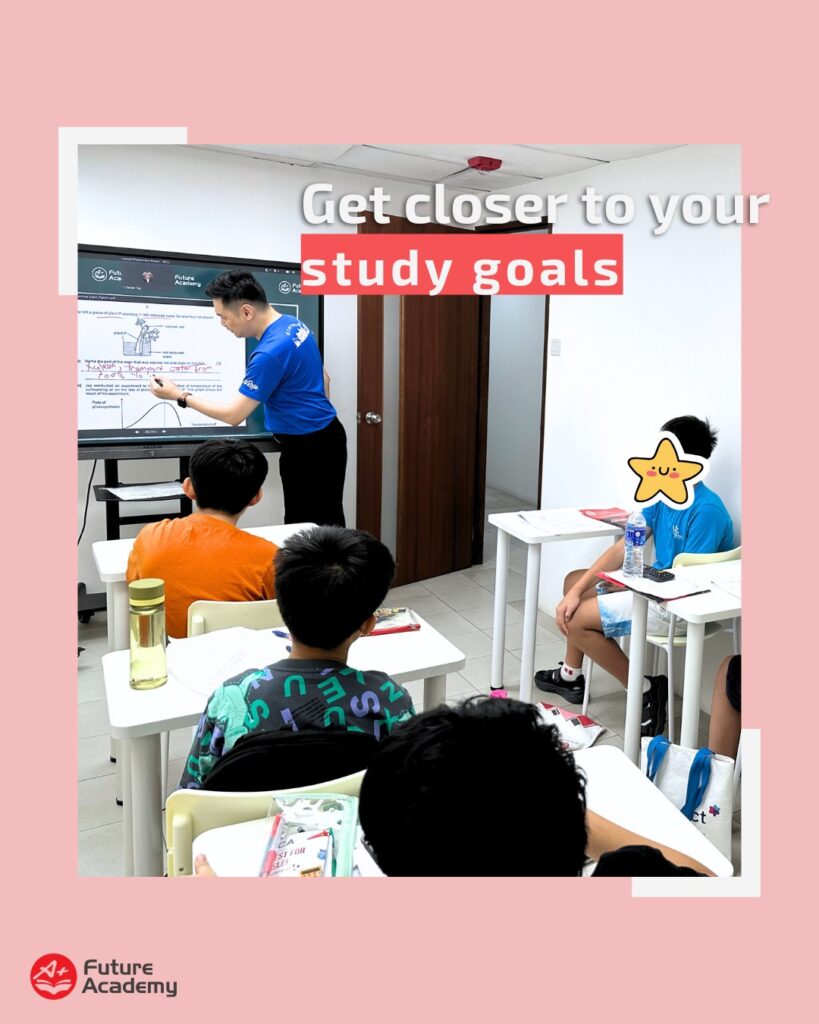
Effective examination techniques are essential. We train students to use scientific vocabulary precisely, structure answers logically, interpret diagrams and data efficiently, and analyze questions carefully. Regular practice with PSLE-format questions across all five themes—combined with immediate feedback in our small groups—ensures students can demonstrate their knowledge effectively under examination conditions.
The Small Group Advantage
How 1:6 Small Groups Help PSLE Students
The maximum 6-student class size optimizes PSLE Science learning. This format provides advantages that neither one-to-one tutoring nor large group classes can match.
Personalized Attention for Science Learning
With just 6 students, tutors monitor each child’s conceptual understanding closely, identify specific topic weaknesses quickly, and provide targeted explanations adapted to individual learning styles. This ensures no student retains misconceptions that would undermine PSLE performance.
Effective Science Discussions
When students explain concepts to each other, they learn to articulate scientific thinking clearly. Collaborative analysis of challenging questions exposes students to multiple reasoning approaches, deepening understanding. These scientific discussions teach students to justify reasoning—exactly what PSLE Science demands.
More Practice with Immediate Feedback
Students complete more practice questions during each lesson with real-time feedback available. Rather than waiting days for corrections, they get immediate feedback that allows them to adjust understanding instantly. This rapid feedback loop prevents practicing incorrect reasoning and accelerates learning.
Confidence Building for Science Success
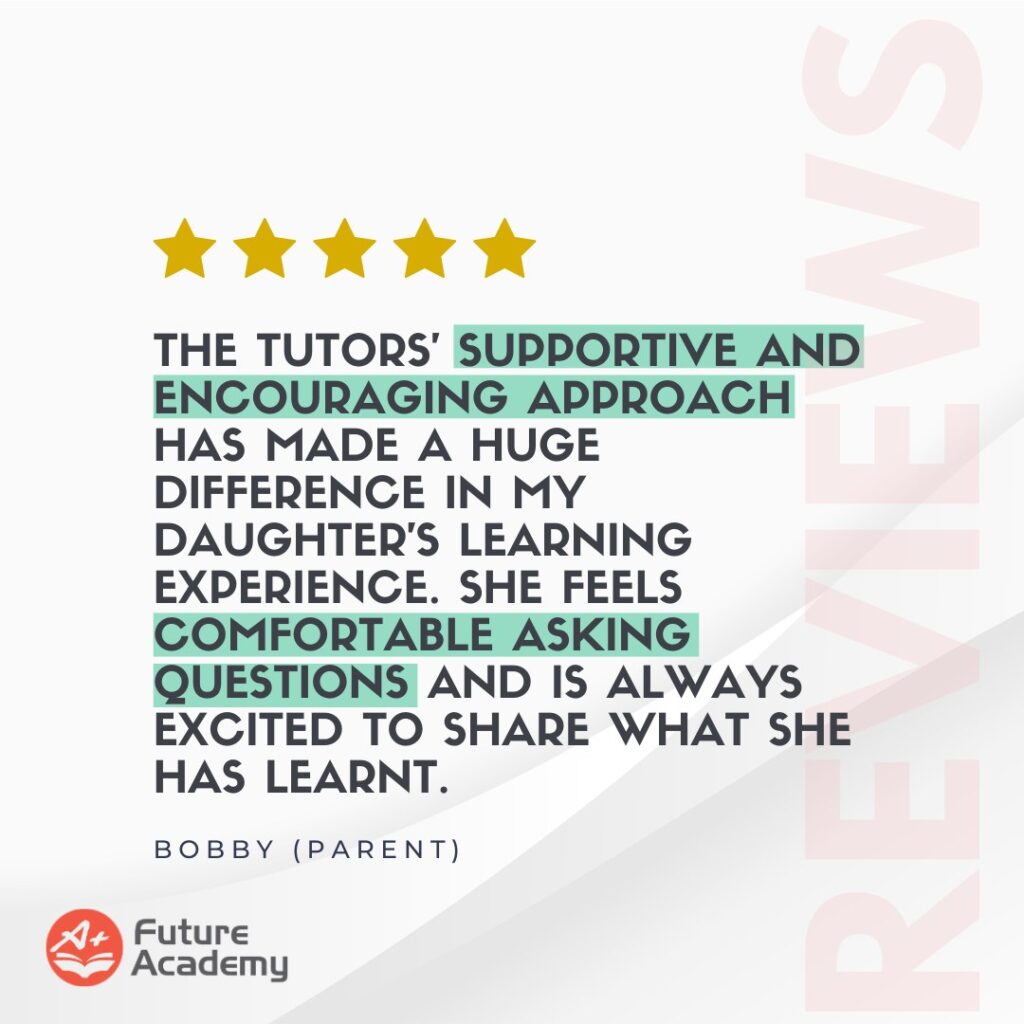
Our small groups create safe, supportive environments where students feel comfortable asking questions and admitting confusion. As students experience progressive success mastering topics, their confidence grows—translating directly to examination performance as confident students approach questions more calmly and analytically.
Student Transformations
PSLE Science Success Stories
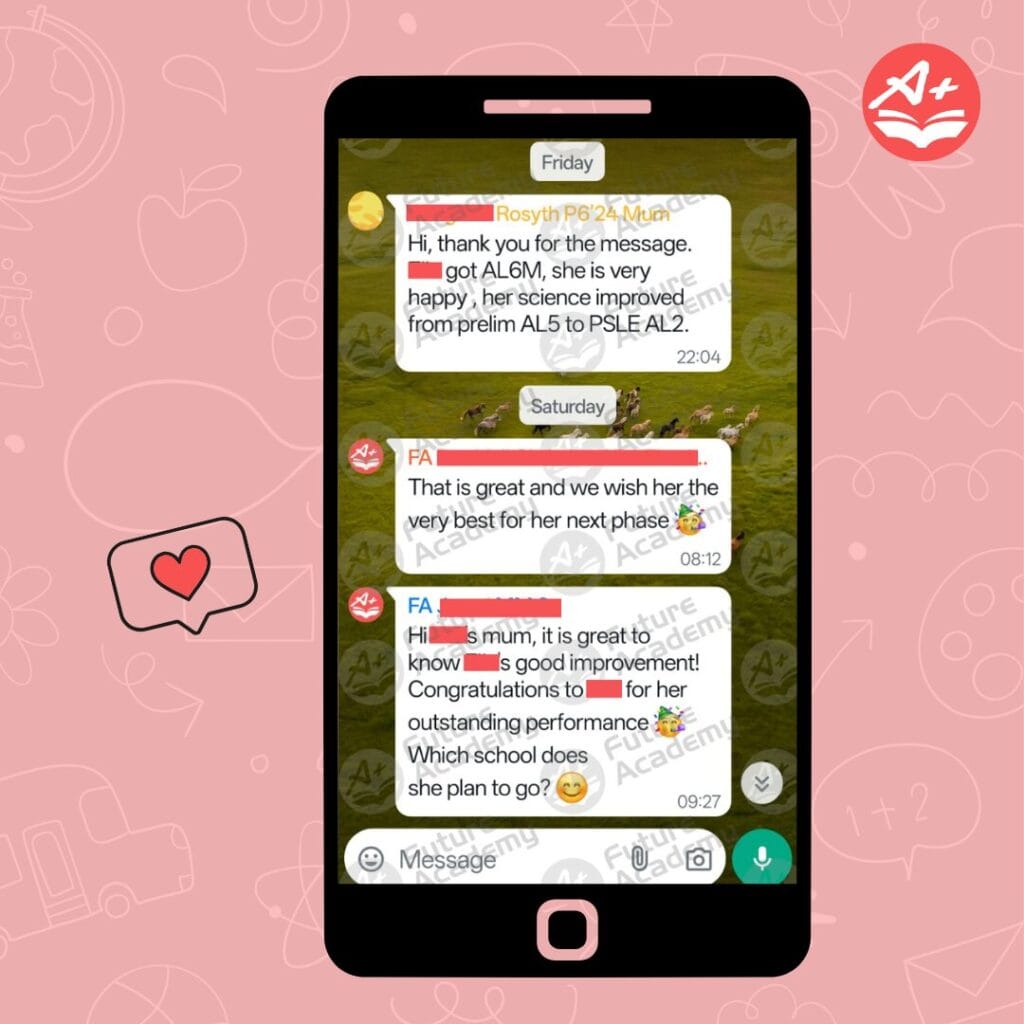
From Struggling to AL2: Emma’s Journey
Emma joined in March of P6, scoring 50s-60s. She struggled with experimental questions and system integration. In our small groups, her tutor built conceptual frameworks showing how components related. By Prelims she scored 79, achieving AL2 in PSLE Science (85%).
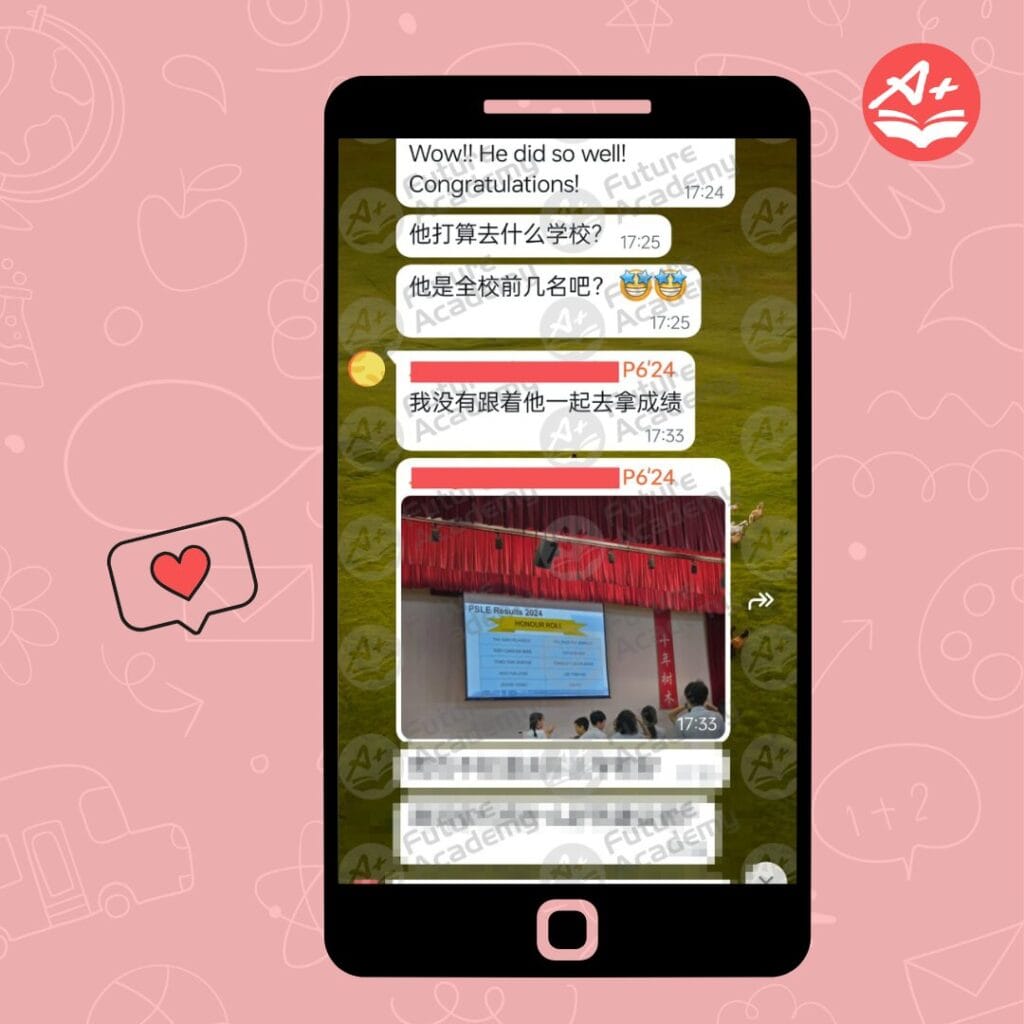
Building Excellence: Daniel’s AL1 Story
Daniel scored 75-80 but aimed for AL1. Our small group setting allowed him to benefit from peer discussions and see multiple solution methods. Exposure to challenging experimental questions with supportive guidance prepared him thoroughly. Daniel achieved AL1, scoring 92.
Building Scientific Understanding: Aisha’s Growth
Aisha had factual knowledge but struggled explaining why phenomena occurred. Through small group discussions, she learned scientific reasoning. Her tutor’s analytical questioning built her thinking skills. She improved from 70s to achieving AL2, demonstrating genuine scientific understanding.
Flexible Options
Flexible Learning Modes for Primary 6 Students
We understand Primary 6 is an incredibly busy year. Our PSLE Science tuition offers flexible learning modes to accommodate different needs and preferences.
On-Site Learning
Bugis, Bukit Timah, Braddell. Dedicated environments optimized for focused learning. Direct interaction with tutors and peers. Excellent MRT connectivity.
Hybrid Learning
Best of both worlds. Attend some sessions on-site, others online via ClassIn. Perfect for busy P6 schedules with multiple commitments.
Full Online via ClassIn
Complete online learning maintaining 1:6 small groups. Interactive platform with whiteboard, screen sharing, and real-time collaboration. No travel time.
FAQ
FAQs About PSLE Science Tuition
Start Your Child’s PSLE Science Success Journey Today
Lessons available | WhatsApp us to check slots | Experience our small-group approach
✓ Trusted by PSLE families across Singapore ✓ Expert tutors with proven methodology ✓ AL1 & AL2 achievers