
Chemistry
Upper Secondary IP (Sec 3–4)
IP Chemistry Tuition Singapore
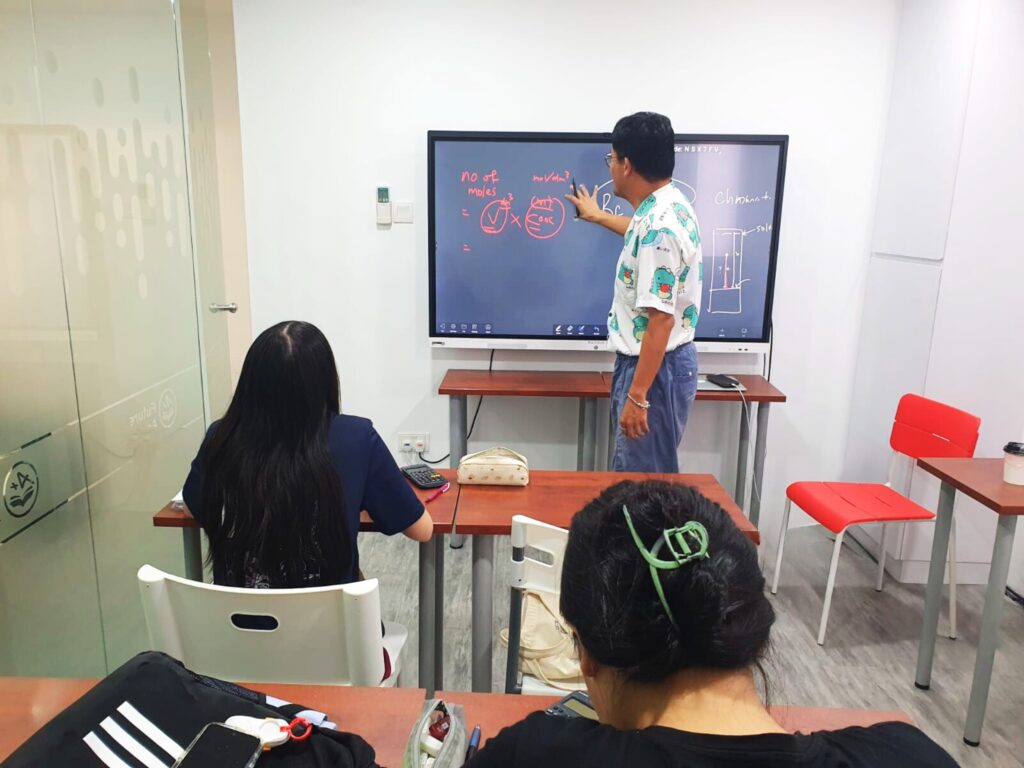
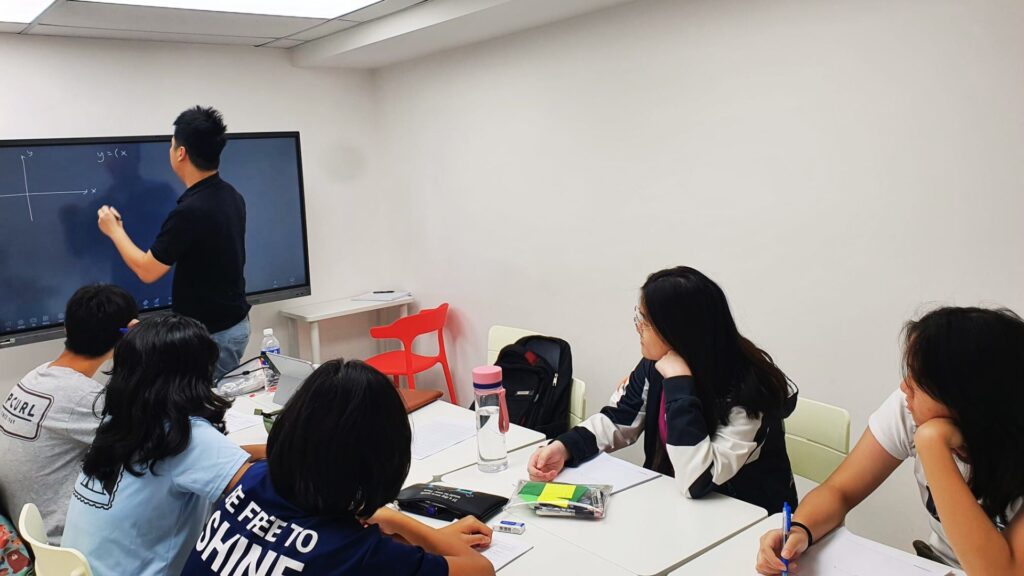
Specialist Sec 3–4 IP Chemistry tuition in small groups of up to 6. We teach to your school’s syllabus, depth, and assessment style — so your child understands the content, not just gets through it.
Many IP school students are bright and motivated — but Chemistry can still be a struggle. With full-class school teaching, limited tutorial time, and fast-paced content, it is easy for gaps to build up quietly. By the time exams arrive, catching up feels overwhelming.
Our Sec 3–4 lessons follow your school’s topics and assessment format closely. Students do not just keep up — they start arriving at school tutorials already prepared for what the teacher is about to cover.
Our Approach
Built for the Way IP Chemistry Is Taught and Tested
Sec 3
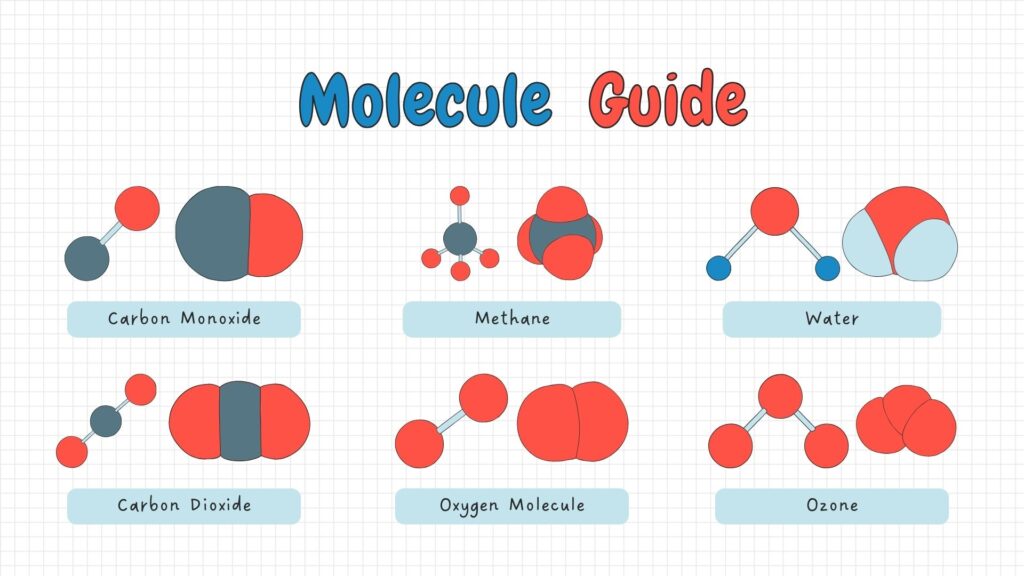
Atomic Structure & Bonding
Atomic orbitals, bonding theories, stoichiometry, acids/bases, redox chemistry, introduction to organic chemistry.

Sec 4
Organic Chemistry & Thermodynamics
Organic mechanisms, thermodynamics, chemical equilibria, electrochemistry, transition metals, advanced practical analysis.
Your School
Paced to Your School’s Calendar
RI, RGS, NYGH, HCI, and ACS(I) each have distinct emphases and timelines. We match lessons to what is happening in your child’s class right now.
For our complete topic-by-topic teaching sequence from Secondary 3 through JC 2, see our full Chemistry tuition topic sequence →
We Teach to Each School’s Style
What Parents Say
Results Parents Have Seen
From parents of students at RI, RGS, NYGH, HCI and ACS(I). Replace with your actual testimonials.
“My daughter joined in Sec 3 after struggling with atomic bonding. Within one term she stopped dreading Chemistry lessons. Her SA1 grade went from a C to a B+. What made the difference was that she finally understood why things work, not just what to write.”
— Parent of RGS student, Sec 3
“What I appreciate is that the teacher actually knows HCI’s topics and what their tests look like. Other tuition centres were just teaching to a generic Chemistry syllabus, that was not useful at all. Here the lessons match exactly what my son is doing in school each week.”
— Parent of HCI student, Sec 4
“IP Chemistry is genuinely hard to master alone at this level. After joining Future Academy, she became noticeably more confident before assessments. Her Sec 4 prelim results were the best Chemistry grades she had ever gotten.”
— Parent of NYGH student, Sec 4
Preparation for JC & IB Chemistry
Students who build strong IP Chemistry foundations in Sec 3–4 handle the jump to H2 or IB Chemistry much more smoothly. We see this in our own students — those who join us in Sec 3 arrive at JC already ahead of most of their classmates in understanding and exam technique.
Mastering Complex Mechanisms
Many students lose marks on organic mechanisms and energetics not because they do not know the content, but because they have not built a reliable method. Our lessons teach a step-by-step approach — so students stop second-guessing themselves in exams.
Concepts Before Questions
We do not rush into practice questions before the concept is clear. Students understand why before they practise how — which means less re-teaching and more building on solid ground.
Answering Skills That Score
Students learn exactly how to structure answers for their school’s mark scheme — including open-ended data questions, practical write-ups, and the reasoning explanations IP markers look for.
Small Groups That Actually Work for IP School Students
Chemistry Specialists Only — Not Generalists
IP Chemistry at Future Academy is handled exclusively by our Chemistry team — teachers with experience at IP schools who know how assessments are designed, what markers look for, and where students reliably lose marks. Your child is never taught Chemistry by a subject generalist.
Continuity From Sec 3 All the Way Through JC
Students who join us in Sec 3 can continue with the same teaching approach all the way through JC Chemistry. Consistency in method builds confidence — and your child’s teacher already knows their strengths and where they need more support.
Get started
Book IP Chemistry lessons
Sec 3–4 | Maximum 1:6 ratio | School-aligned | Specialist Chemistry teachers
IP Schools We Support for Chemistry
We have students from all major IP schools. Here are the schools we work with most closely:
- Raffles Institution (RI) – Advanced chemistry programme
- Hwa Chong Institution – Strong science curriculum
- National Junior College (NJC) – Rigorous chemistry standards
- Methodist Girls’ School (MGS) – IB Diploma chemistry pathway
FAQ
Common Questions About IP Chemistry Tuition
How we align to each IP school, close the tutorial-to-exam gap, and build confidence for assessments.